Active Recovery vs. Complete Rest: Planning Rest Days That Boost Muscle Repair
Learn when to choose low-intensity active recovery versus complete passive rest. How light movement clears metabolites and prevents delayed soreness.
Editorially reviewed Checked by our editors for clarity and sourcing. It has not been reviewed by a medical professional. How we label reviews
In This Article
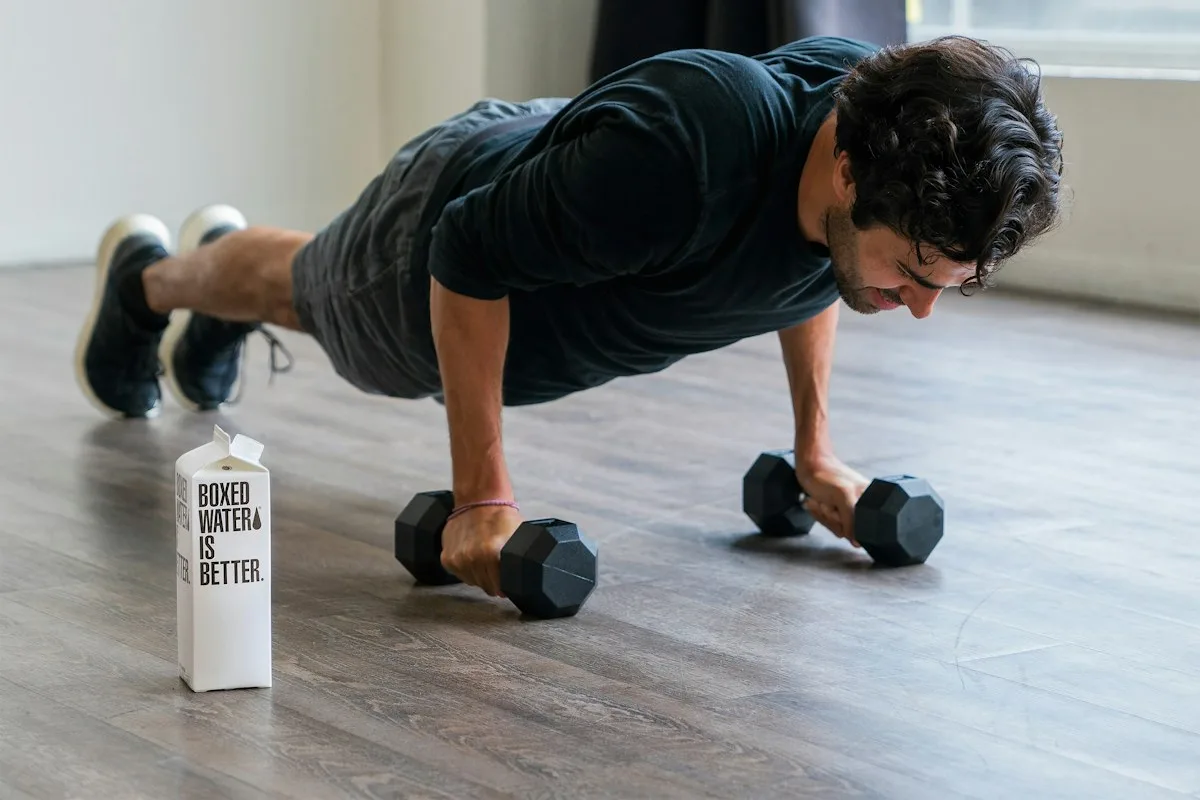
A widespread misconception among passionate fitness enthusiasts is the belief that muscles grow while lifting weights in the gym. In reality, weight training is catabolic: you tear muscle fibers, deplete cellular glycogen, and elevate systemic inflammatory markers.
Muscular hypertrophy, mitochondrial expansion, and neural adaptations occur entirely during the recovery window between sessions.
However, many trainees struggle with how to manage non-lifting days: should you remain completely stationary on the sofa (passive rest), or should you engage in light movement (active recovery)?
What Is Active Recovery?
Active recovery involves low-intensity physical activity performed at less than 60% of your maximum heart rate (Zone 1). Examples include a 30- to 45-minute brisk walk, easy recreational cycling, lap swimming, or a restorative mobility session.
The physiological rationale is centered on hemodynamics:
- Skeletal muscle contractions act as a secondary vascular pump, increasing peripheral arterial circulation and venous return without inducing new microtrauma.
- Elevated blood flow accelerates the clearance of metabolic byproducts and delivers a steady stream of amino acids, oxygen, and glucose to damaged myofibrils.
- Movement stimulates synovial fluid production, lubricating stiff joint capsules and reducing Delayed Onset Muscle Soreness (DOMS).

When Complete Passive Rest Is Essential
While active recovery is superior for mild-to-moderate muscular soreness, certain physiological conditions mandate 100% passive, motionless rest:
- Systemic Central Nervous System (CNS) Burnout: If your grip strength feels weak, your resting heart rate is 8 to 10 bpm higher than normal upon waking, or you feel irritable and unmotivated, your autonomic nervous system is depleted.
- Incipient Illness or Immune Drag: If you feel a scratchy throat, chills, or fever, exercising redirects metabolic energy away from white blood cell proliferation. Lie down and sleep.
- Severe Orthopedic Joint Irritation: Tendonitis and ligament strains require mechanical offloading, not additional repetitive friction.
| Physical Status | Recommended Rest Protocol | Ideal Modality | Key Benefit |
|---|---|---|---|
| Mild-to-Moderate Muscle Soreness (DOMS) | Active Recovery | 30–45 min outdoor brisk walk or easy cycle | Flushes tissue, eases stiffness, boosts mood |
| Joint Capsule / Tendon Aches | Passive Rest with Targeted Mobility | Foam rolling, gentle hip openers, heat pack | Spares connective tissue from repetitive strain |
| High CNS Exhaustion / Insomnia | Complete Passive Rest | Nap, read, soak in an Epsom salt bath | Allows autonomic nervous system to downregulate |
| Post-Competition / Heavy Peak Week | Active + Sleep Focus | Light swimming, casual walk, 9 hours sleep | Restores hormonal and glycogen equilibrium |

The Golden Rule: It Must Feel Rejuvenating
The most common trap with active recovery is turning a gentle recovery session into another disguised workout.
- If you go for a “recovery run” and end up pushing your pace until you are sweating heavily and gasping, you have added an additional training stressor to an already fatigued system.
- If an activity does not leave you feeling more energized at the end than when you began, it was not active recovery.
The Bottom Line
Rest days are not a sign of weakness; they are the fertile soil in which your fitness gains take root. Learn to listen to your body, alternate light active recovery with deep passive sleep, and return to your next workout stronger and hungrier than before.
Sources
HealthScope uses government health agencies, medical institutions, and peer-reviewed research to support the facts in our articles. Read our sources policy.
- Journal of Strength and Conditioning Research. Active vs. Passive Recovery: Effects on Muscle Soreness and Performance Recovery (opens in a new tab). 2010.
- International Journal of Sports Medicine. The Recovery-Stress State and Injury Risk in Athletes (opens in a new tab). 2019.