Improving Insulin Sensitivity: Exercise, Diet, and Post-Meal Walking
Learn the molecular biology of GLUT4 translocation. How post-meal walks, resistance training, and dietary vinegar dramatically improve insulin sensitivity.
Expert reviewed by Shivam Gupta, CSCS, CPT on Reviewed for accuracy by the professional named here. How we label reviews
In This Article

Insulin is often demonized in popular diet books as the “fat-storage hormone.” In reality, insulin is an indispensable anabolic signaling hormone: without it, your cells cannot absorb glucose or amino acids, resulting in rapid wasting and death (as seen in untreated Type 1 diabetes).
The problem in modern metabolic disease is not insulin itself; it is insulin resistance—a state in which your muscle, liver, and fat cells become deaf to insulin’s signals.
Understanding the molecular biology of glucose uptake empowers you to bypass insulin resistance and restore razor-sharp metabolic flexibility.
Skeletal Muscle: Your Largest Glucose Sink
When you consume carbohydrates, they are broken down into glucose and enter the bloodstream. Under normal conditions, skeletal muscle tissue is responsible for approximately 80% of all postprandial glucose disposal.
In resting muscle cells, glucose cannot cross the lipid cell membrane on its own. It requires specialized transport proteins called GLUT4 (Glucose Transporter Type 4):
- Normally, insulin binds to its receptor on the muscle cell surface, triggering an intracellular signaling cascade (IRS-1 → PI3K → Akt) that instructs GLUT4 vesicles to migrate from deep inside the cell to the cell surface, opening the doors for glucose entry.
- In an insulin-resistant state, this signaling pathway is broken—often clogged by intramyocellular lipids (diacylglycerols and ceramides) caused by physical inactivity and caloric excess.

The Exercise Miracle: Non-Insulin-Dependent Glucose Uptake
Here is the most empowering discovery in exercise physiology: muscle contractions can trigger GLUT4 translocation completely independently of insulin.
When skeletal muscles contract during walking, squatting, or cycling:
- Mechanical tension and calcium release activate an enzyme called AMPK (AMP-activated protein kinase).
- AMPK directly commands GLUT4 vesicles to move to the cell surface without needing insulin to unlock the door.
- This means that even if a person is severely insulin-resistant or diabetic, contracting their muscles allows their cells to suck glucose out of the bloodstream with ease.
3 Clinically Proven Protocols to Sharpen Insulin Sensitivity
1. The 10-Minute Post-Meal Walk
In clinical trials published in Diabetologia, taking a simple 10-minute walk immediately after meals reduced postprandial glucose spikes by up to 22% to 30%, outperforming a single 30-minute walk performed at another time of day.
- The Action: The moment you swallow your last bite of lunch or dinner, stand up and walk for 10 minutes. Your contracting leg muscles will absorb the incoming glucose directly, preventing an insulin surge.
2. Heavy Resistance Training (Expanding the Storage Tank)
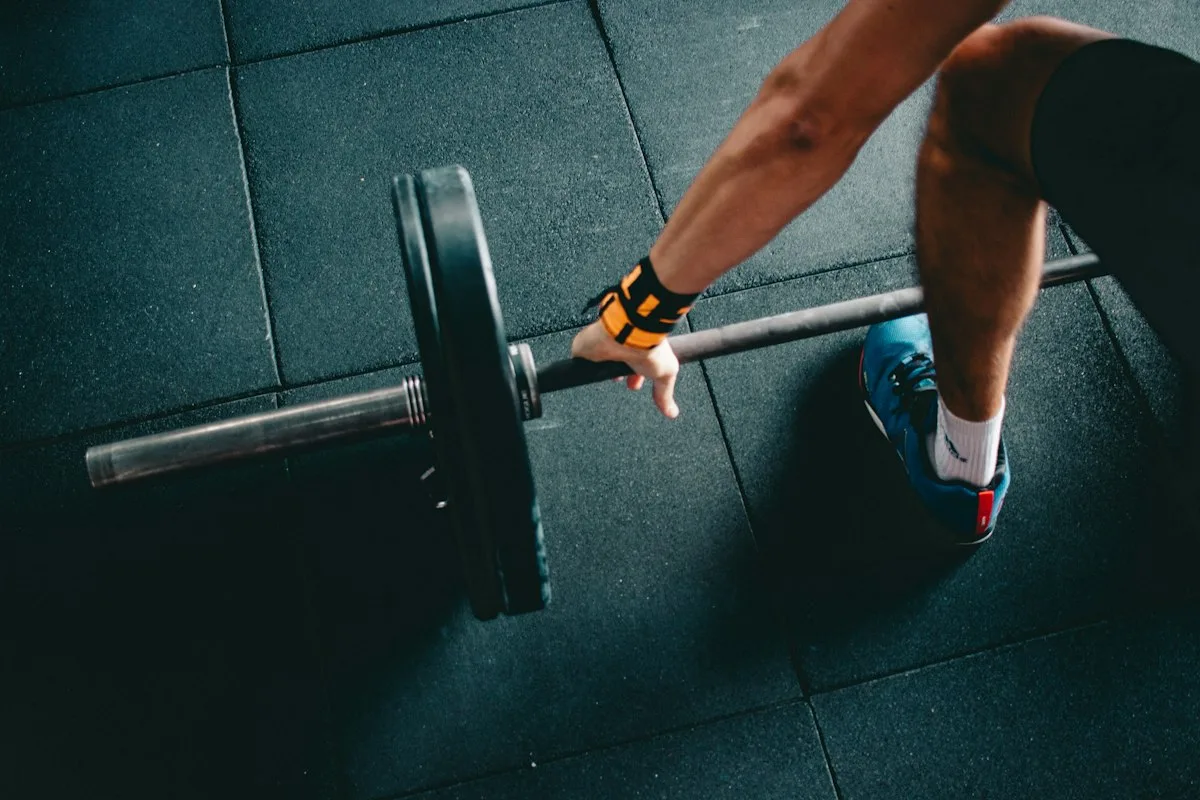
A larger muscle is a larger metabolic sink. By lifting weights and building lean skeletal muscle mass, you increase both the total number of GLUT4 transporters in your body and your glycogen storage capacity.
3. The “Food Sequencing” Hack
Biochemical research reveals that the order in which you eat foods during a single meal dramatically alters glucose absorption:
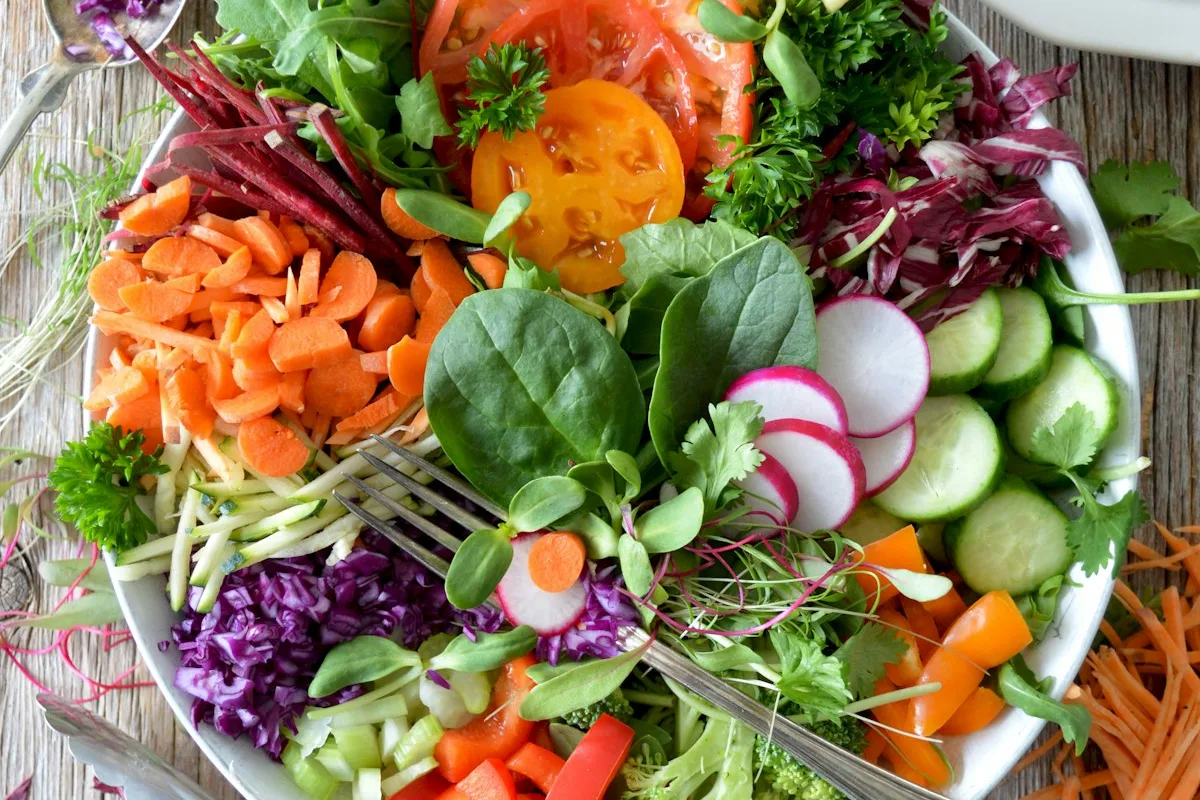
- Eat fibrous vegetables and greens first (the fiber coats the intestinal brush border, slowing glucose absorption).
- Eat proteins and fats second (stimulates GLP-1 and slows gastric emptying).
- Eat complex carbohydrates and starches last.
- In clinical trials, simply changing food sequence reduced postprandial glucose spikes by up to 73% in diabetic patients compared to eating carbohydrates first.
| Intervention | Mechanism of Action | Impact on Glucose Excursions | Daily Ease of Execution |
|---|---|---|---|
| 10-Min Post-Meal Walk | Stimulates AMPK-mediated GLUT4 translocation | Blunts glucose spikes by 20%–30% | Effortless; requires zero gym equipment |
| Resistance Training (3x/wk) | Expands total skeletal muscle glycogen sink | Elevates resting insulin sensitivity for 48 hours | Moderate; requires structured gym or home weights |
| Food Sequencing (Fiber First) | Slows gastric emptying and intestinal absorption | Reduces glycemic excursion by up to 50%–70% | Simple dining habit |
| Vinegar Before Meals (1 tbsp) | Inhibits salivary/pancreatic alpha-amylase | Blunts postprandial blood sugar by ~20% | Easy; mix 1 tbsp apple cider vinegar in water |
The Bottom Line
Insulin resistance is not an irreversible life sentence; it is a reversible physiological adaptation to physical stagnation. By walking after meals, lifting weights to expand your muscle sink, and sequencing your plate wisely, you restore vibrant metabolic sensitivity and protect your long-term cardiovascular health.
Sources
HealthScope uses government health agencies, medical institutions, and peer-reviewed research to support the facts in our articles. Read our sources policy.