Essential Micronutrients: Meeting Your Vitamin and Mineral Needs from Food
Explore the critical roles of micronutrients: zinc, magnesium, B-complex vitamins, and iron, and how whole-food dietary patterns prevent silent deficiencies.
Expert reviewed by Shivam Gupta, CSCS, CPT on Reviewed for accuracy by the professional named here. How we label reviews
In This Article
While macronutrients provide the raw caloric fuel and structural building blocks for the body, micronutrients (vitamins and minerals) are the biochemical spark plugs. Without trace minerals and co-enzyme vitamins, the enzymatic machinery that extracts energy from food, synthesizes neurotransmitters, and repairs DNA simply cannot function.
Despite living in an age of caloric abundance, substantial percentages of modern populations suffer from “subclinical micronutrient deficiencies”—not severe enough to cause scurvy or rickets, but sufficient to cause chronic fatigue, brain fog, poor immune resilience, and suboptimal sleep.
Key Micronutrients Most Commonly Under-Consumed
1. Magnesium (The Master Enzymatic Co-Factor)
Magnesium is involved in over 300 biochemical reactions in the human body, including ATP synthesis, protein synthesis, muscle relaxation, and blood glucose regulation. Over 50% of adults consume less than the Estimated Average Requirement.
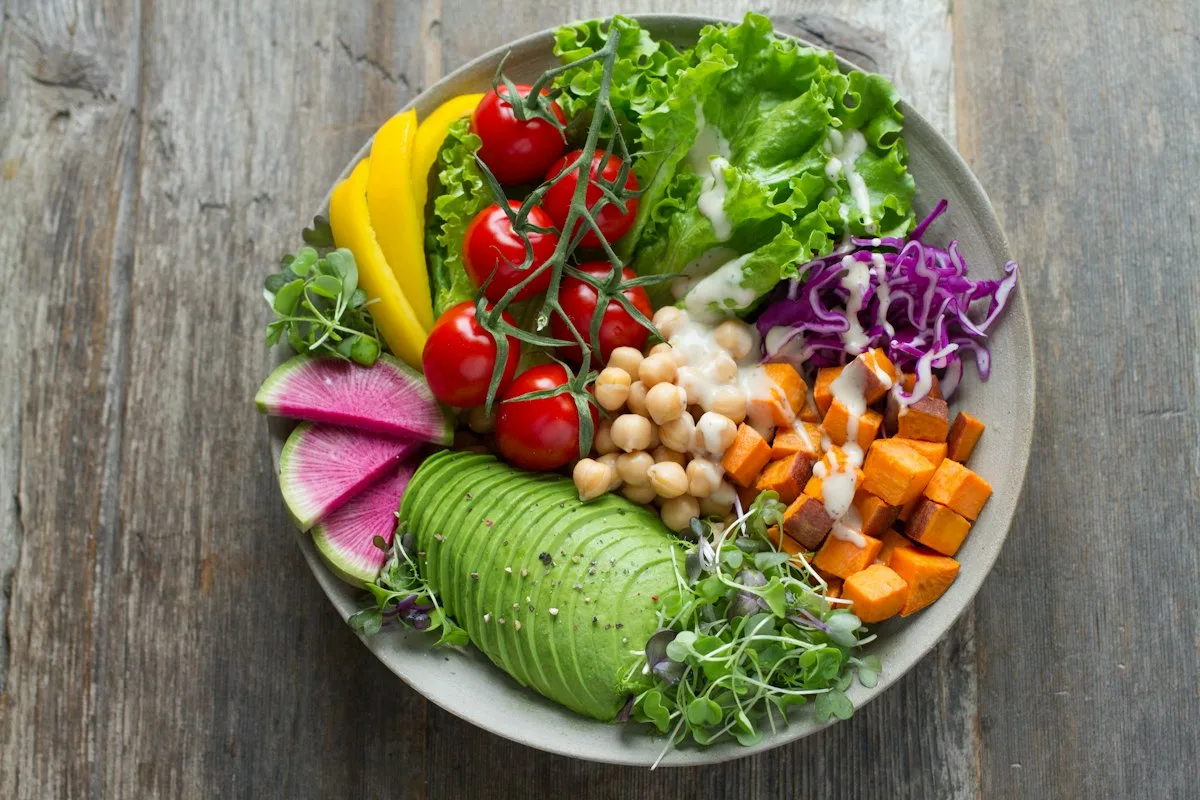
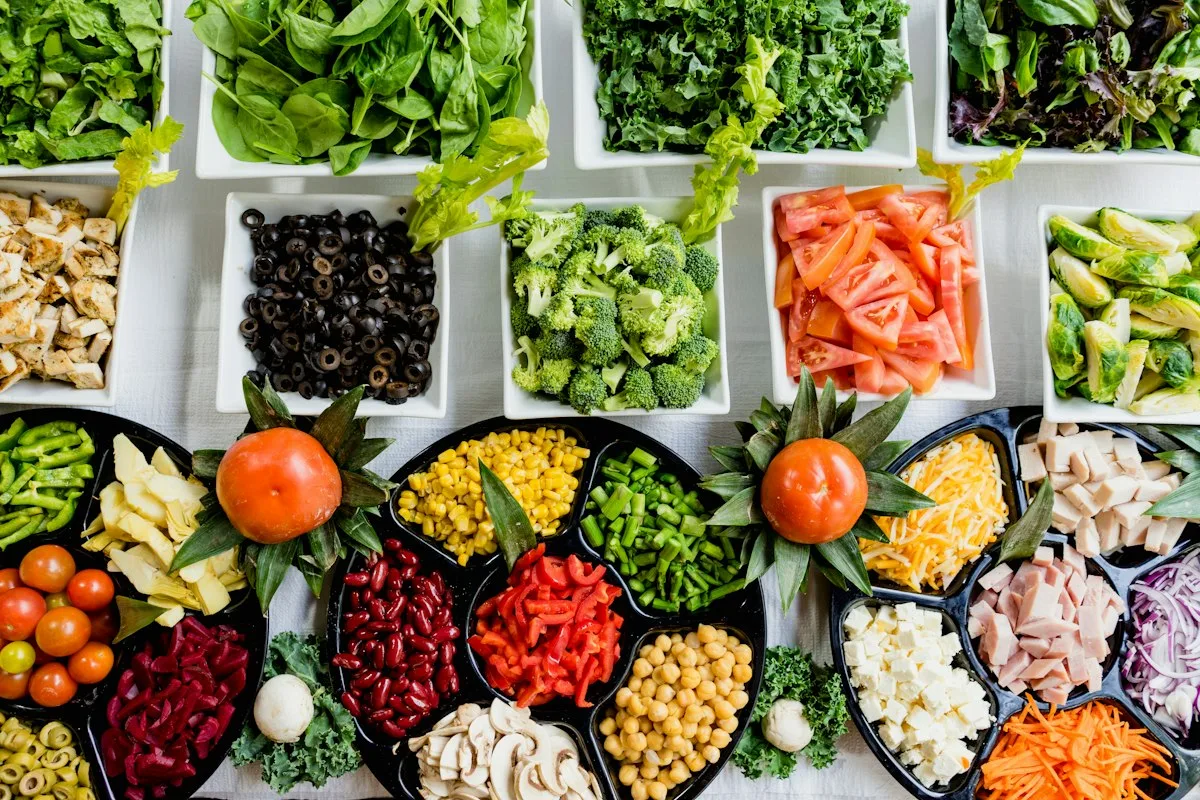
- Top Food Sources: Pumpkin seeds, spinach, black beans, almonds, dark chocolate (70%+ cocoa), and whole oats.
2. Zinc (Cellular Immunity and Protein Synthesis)
Zinc is essential for immune cell development, wound healing, thyroid function, and testosterone synthesis. Because the body possesses no specialized zinc storage system, regular daily intake is required.
- Top Food Sources: Oysters, grass-fed beef, pumpkin seeds, lentils, chickpeas, and cashews.
3. Iron (Heme vs. Non-Heme)
Iron forms the core of hemoglobin, the protein in red blood cells that transports oxygen from your lungs to working tissues. Iron deficiency remains the most common nutritional deficiency worldwide, particularly among menstruating women and endurance athletes.
- Heme Iron (High Bioavailability ~15%–35%): Red meat, poultry, seafood.
- Non-Heme Iron (Bioavailability ~2%–10%): Spinach, lentils, fortified grains.
- Pro Tip: Pair non-heme plant iron with vitamin C (such as lemon juice or bell peppers) to triple its intestinal absorption rate.
| Micronutrient | Key Physiological Role | Recommended Food Sources | Absorption Booster |
|---|---|---|---|
| Magnesium | Muscle relaxation, ATP production, sleep depth | Pumpkin seeds, spinach, dark chocolate, black beans | Adequate hydration; avoid excess refined sugar |
| Zinc | Immune cell division, DNA repair, taste/smell | Oysters, beef, lentils, hemp seeds, chickpeas | Protein-rich meal matrix |
| Non-Heme Iron | Oxygen transport via hemoglobin, cellular energy | Lentils, spinach, tofu, pumpkin seeds, molasses | Pair with Vitamin C (citrus, bell peppers) |
| Vitamin B12 | Nerve sheath insulation, red blood cell synthesis | Eggs, wild salmon, sardines, beef liver, nutritional yeast | Adequate stomach acid (HCl) production |
Food First vs. Supplementation
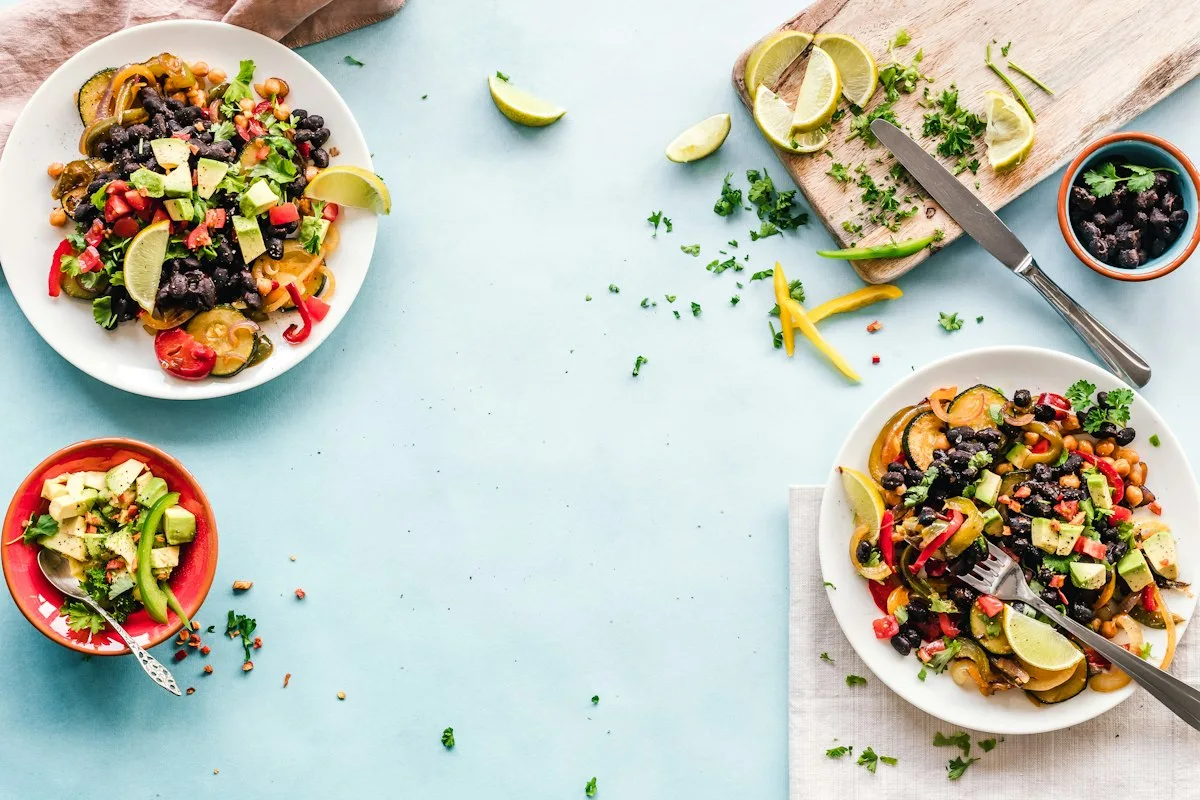
While targeted supplementation is invaluable for specific clinical needs (e.g., Vitamin D3 in winter, prenatal folate, or Vitamin B12 for strict vegans), whole foods offer a synergistic “food matrix” that pills cannot replicate.
In whole foods, minerals exist alongside co-occurring bioflavonoids, carotenoids, and organic acids that facilitate biological absorption without risk of toxic mineral competition (e.g., high-dose zinc supplements can inadvertently induce copper deficiency).
The Bottom Line
Optimal health is not just about calories in and calories out. By focusing on whole, unprocessed foods rich in natural vitamins and minerals, you unlock deep cellular energy and reinforce your body’s innate defenses.
Sources
HealthScope uses government health agencies, medical institutions, and peer-reviewed research to support the facts in our articles. Read our sources policy.
- Journal of Nutrition. Micronutrient Inadequacies in the US Population (opens in a new tab). 2011.
- Nutrients. The Role of Micronutrients in Support of the Immune System (opens in a new tab). 2020.