Forest Bathing and Green Space: The Measured Impact of Nature on Mental Health
Explore the clinical science of Shinrin-yoku (forest bathing), phytoncides, natural fractals, and how 120 minutes of nature weekly transforms mental health.
Expert reviewed by Tanisha Panwar, MS, CISSN on Reviewed for accuracy by the professional named here. How we label reviews
In This Article
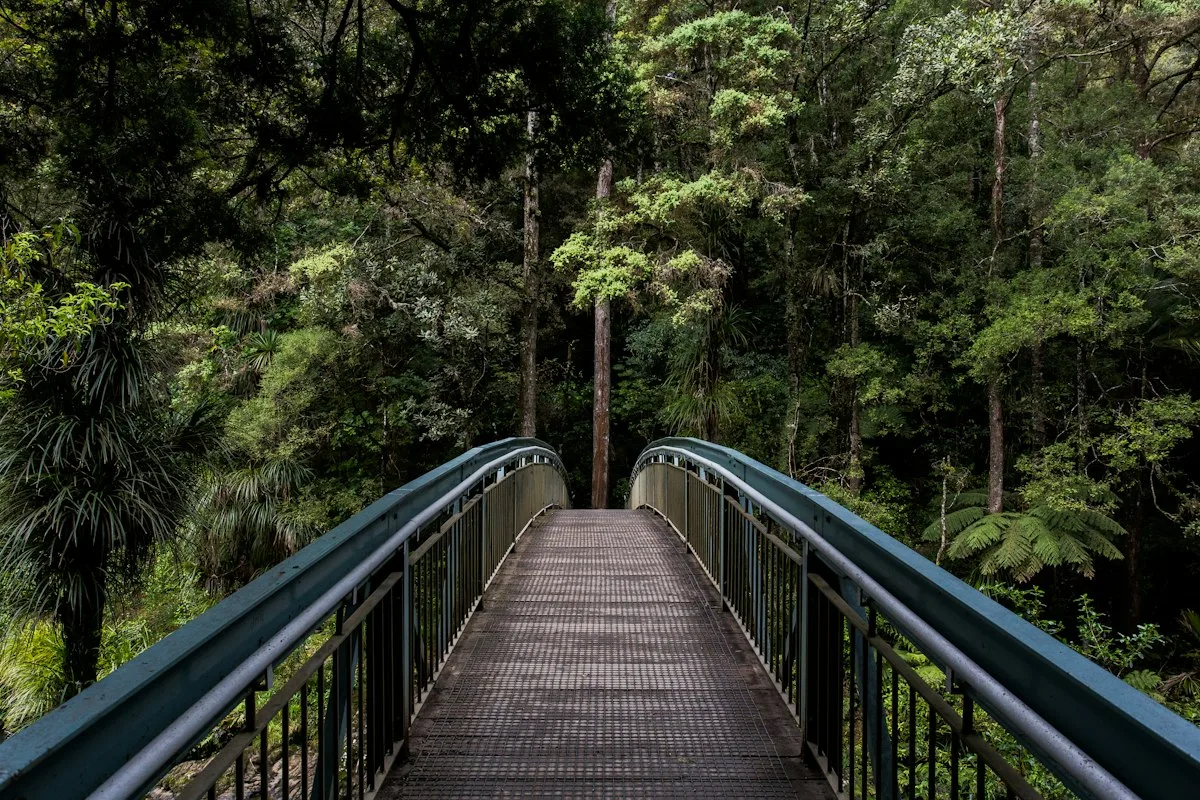
For over 99% of human evolutionary history, our species lived, hunted, rested, and slept entirely enveloped by natural landscapes. Today, the average adult in developed nations spends nearly 90% of their life indoors, sealed inside artificial climate-controlled boxes illuminated by fluorescent bulbs and staring at digital glass.
This profound ecological rupture—what author Richard Louv famously coined “nature-deficit disorder”—is not merely an aesthetic tragedy; it has concrete, measurable consequences for neurobiology, endocrinology, and immune function.
Over the past two decades, Japanese and Scandinavian researchers have transformed the intuitive appreciation of nature into rigorous clinical science through the study of Shinrin-yoku (forest bathing).
The Chemistry of the Forest: Phytoncides
When you walk through a pine forest, cedar grove, or botanical garden, the rich, earthy scent you inhale is not just pleasant perfume; you are inhaling aerosolized plant chemicals called phytoncides (specifically alpha-pinene, beta-pinene, and limonene).
Plants produce phytoncides to protect themselves from fungal infections, insects, and microbial pathogens. In landmark clinical studies led by Dr. Qing Li at the Nippon Medical School in Tokyo, human subjects who spent time in forest environments breathing phytoncides exhibited:
- A significant increase in circulating Natural Killer (NK) cell activity and intracellular anti-cancer proteins (perforin, granzyme, and granulysin).
- A remarkable persistence of this heightened immune surveillance lasting up to 30 days following a single forest immersion weekend.
- A marked reduction in salivary cortisol, pulse rate, and systolic blood pressure compared to walking through an urban downtown district.

Natural Fractals and the Relaxed Brain
Beyond chemistry, nature provides a specific visual geometry that our visual cortex is uniquely evolved to process: fractals.
Fractals are self-repeating mathematical patterns across different scales of magnification—found abundantly in tree branchings, ferns, snowflake crystals, and ocean waves. When the human visual system gazes at mid-range fractal patterns (D ≈ 1.3 to 1.5, characteristic of natural coastlines and tree canopies), EEG recordings demonstrate an immediate shift toward alpha brainwaves, associated with relaxed, alert tranquility and a 60% reduction in stress responses.
| Biological Biomarker | Urban / Built Environment | Natural Forest / Coastal Immersion |
|---|---|---|
| Salivary Cortisol | Elevated; sustained background release | Significant 15%–20% decline within 30 minutes |
| Autonomic Balance | Sympathetic dominance (elevated heart rate) | Parasympathetic dominance (higher Heart Rate Variability) |
| Prefrontal Perfusion | High cognitive demand; hyper-perfusion | Reduced blood flow to subgenual prefrontal cortex (stops rumination) |
| Natural Killer (NK) Cells | Baseline or suppressed under stress | Elevated activity and protein expression for up to 30 days |
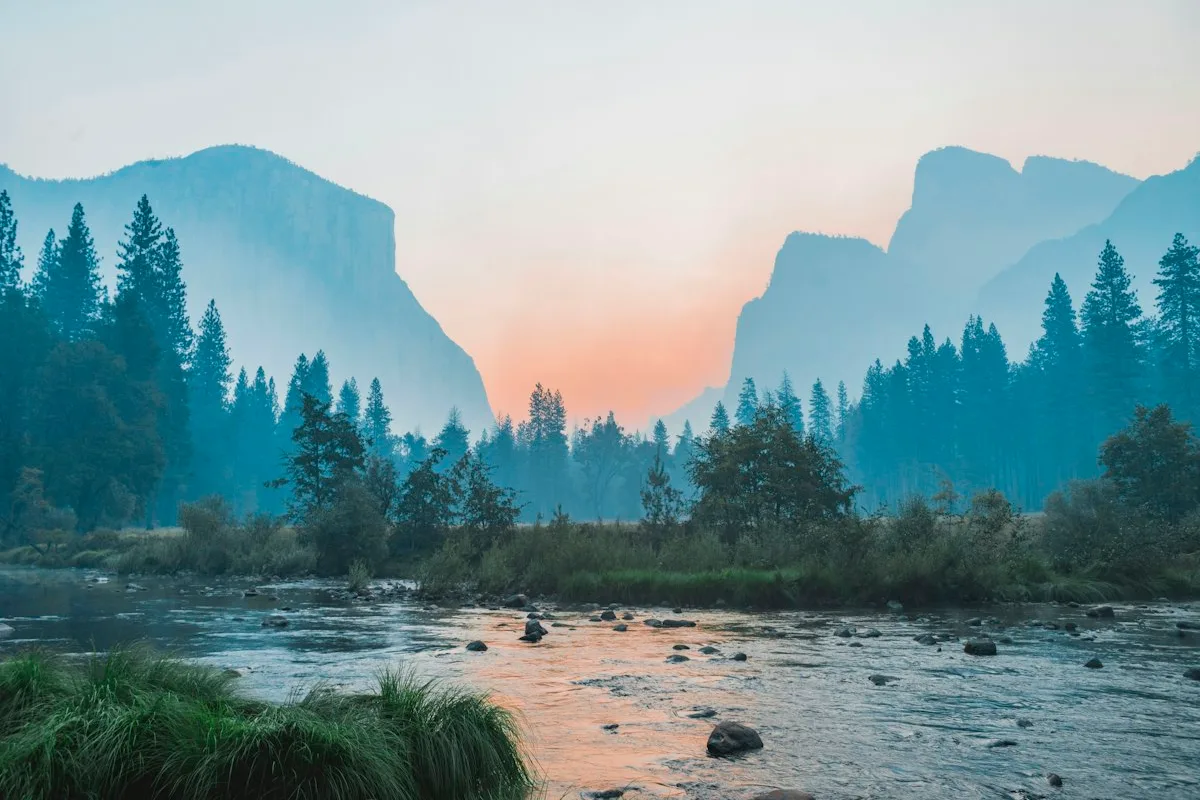
The 120-Minute Nature Dose
A landmark 2019 study published in Scientific Reports analyzing nearly 20,000 individuals across the United Kingdom established the clinical threshold for nature immersion:
- Individuals spending at least 120 minutes per week in natural environments (parks, woodlands, beaches) reported substantially higher self-rated health and psychological wellbeing.
- Crucially, this benefit was non-linear: it made no difference whether the 120 minutes was achieved in one long weekend hike or six 20-minute park strolls throughout the week.
The Bottom Line
Nature is not a luxury or a Sunday afternoon hobby; it is a foundational biological necessity. Prescribing yourself 120 minutes of weekly green space is one of the most cost-effective, clinically validated interventions for lasting mental peace.
Sources
HealthScope uses government health agencies, medical institutions, and peer-reviewed research to support the facts in our articles. Read our sources policy.
- Environmental Health and Preventive Medicine. Effect of Forest Bathing (Shinrin-yoku) on Human Immune Function (opens in a new tab). 2010.
- Scientific Reports (Nature). Spending at Least 120 Minutes a Week in Nature Is Associated with Good Health and Wellbeing (opens in a new tab). 2019.