The Smart Grocery Guide: How to Shop the Perimeter and Save on Whole Foods
Master the supermarket layout. How to prioritize nutrient density, shop the store perimeter, buy frozen produce strategically, and cut food bills.
Editorially reviewed Checked by our editors for clarity and sourcing. It has not been reviewed by a medical professional. How we label reviews
In This Article
Supermarkets are engineered with meticulous architectural precision. From the scent of fresh baked goods pumped near the entrance to high-margin sugary cereals positioned at children’s eye level, retail grocery design aims to maximize impulsive, high-profit purchases.
The vast majority of hyper-palatable, ultra-processed packaged items occupy the center aisles, while whole, unrefined foods dwell along the edges. Learning to navigate this environment is the single most practical life skill for lifelong physical health.
The Rule of the Perimeter
The classic nutritional adage—“shop the perimeter of the grocery store”—remains overwhelmingly valid:
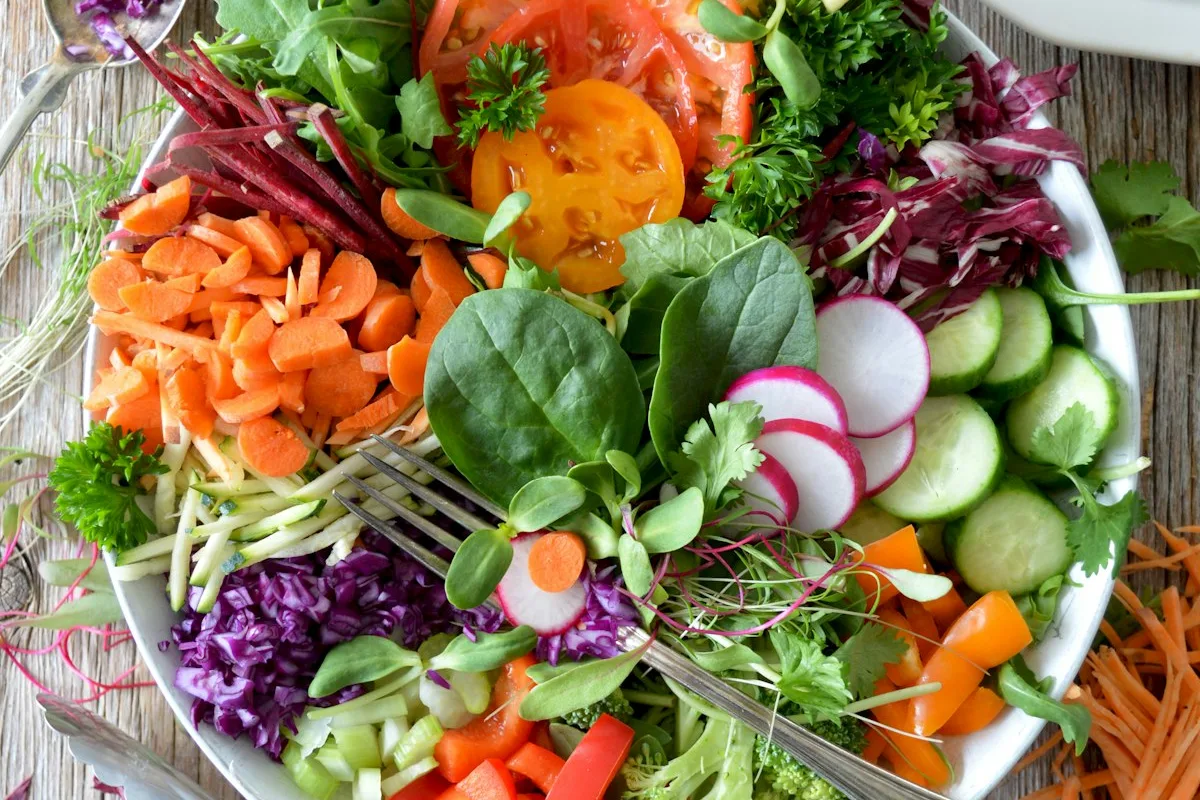
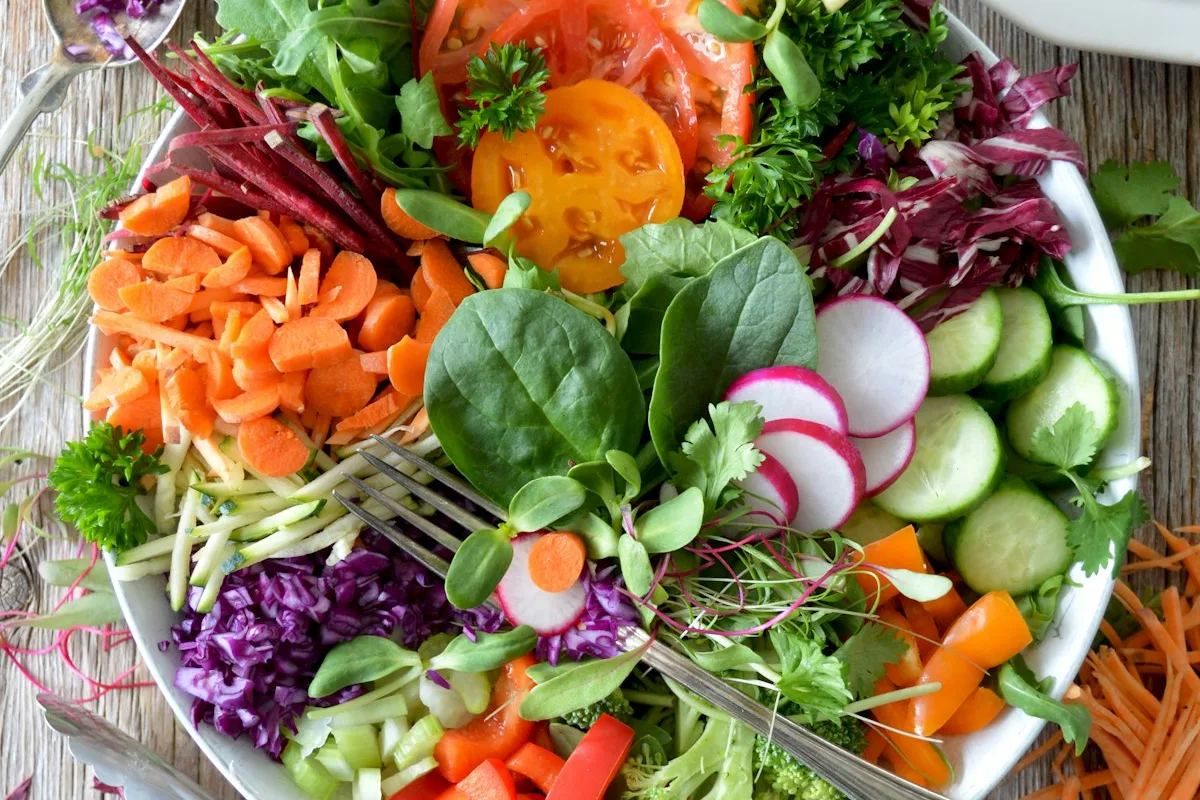
- Produce Section: Fresh fruits, vegetables, leafy greens, roots, and herbs.
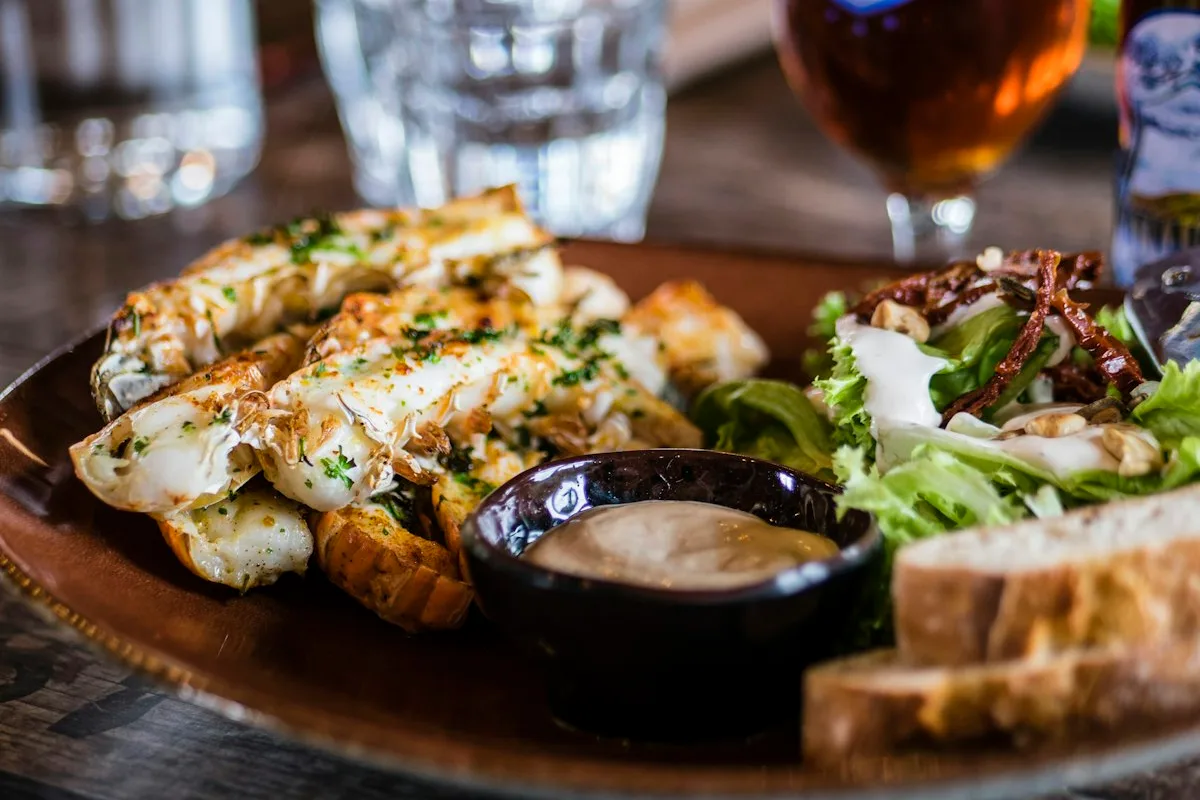
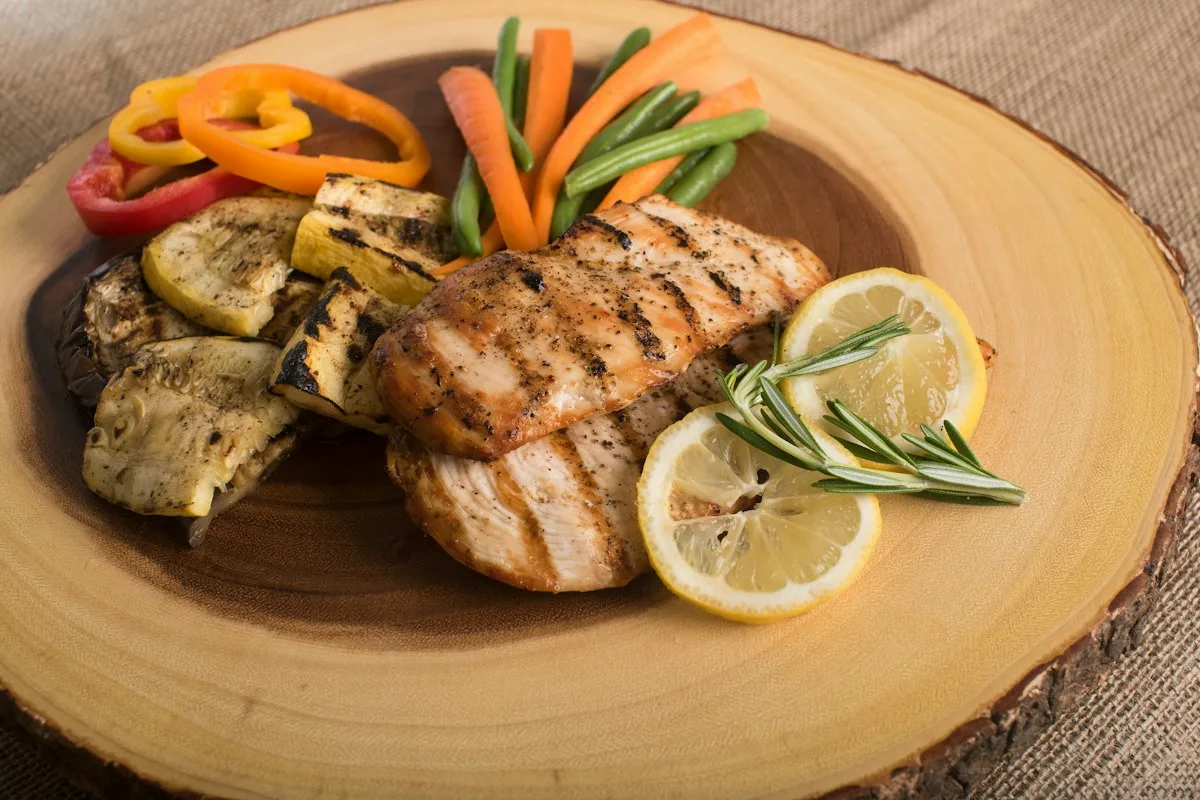
- Seafood & Meat Counter: Fresh fish, poultry, and grass-fed meats.
- Dairy & Refrigerated Wall: Eggs, plain Greek yogurt, and fermented kefir.
When you spend 80% of your shopping time along the outer walls, your shopping cart naturally fills with nutrient-dense, single-ingredient whole foods.
The Strategic Center Aisle Incursions
While the center aisles contain thousands of processed snack foods, they also house some of the most economical, nutrient-dense pantry staples in existence. Do not avoid the center aisles entirely; enter them with a laser-focused surgical list:
- Canned Fish: Canned wild sardines, salmon, and mackerel provide identical omega-3 and protein profiles to fresh fish at one-third the price.
- Dry & Canned Legumes: Black beans, chickpeas, lentils, and kidney beans.
- Bulk Whole Grains: Old-fashioned rolled oats, brown rice, quinoa, and farro.
- Cold-Pressed Oils & Spices: Extra virgin olive oil, avocado oil, garlic powder, turmeric, and sea salt.
| Costly Processed Item | Smarter Whole Food Swap | Cost Savings | Nutritional Advantage |
|---|---|---|---|
| Flavored Yogurt Pots ($1.50 ea) | Tub of Plain Greek Yogurt + Fresh Berries | Save ~40% | Triples protein, eliminates 15g added sugar |
| Pre-packaged Granola Bars ($5/box) | Homemade Nut & Oat Bites | Save ~60% | Zero high-fructose corn syrup or palm oil |
| Pre-cut Fruit Bowls ($6.00/lb) | Whole Uncut Fruit ($1.50–$2.50/lb) | Save ~65% | Preserves vitamin C and oxidizes much slower |
| Boneless Chicken Breasts ($6.99/lb) | Bone-in Skin-on Thighs or Whole Bird ($2.99/lb) | Save ~50% | Richer in glycine and collagen; bone for broth |
The Frozen Section: Nature’s Secret Pause Button
One of the greatest misconceptions in nutrition is that frozen vegetables and fruits are inferior to fresh produce. In reality, produce destined for the fresh section is often picked prematurely, transported for days in dark cargo containers, and sits under grocery lights, losing sensitive micronutrients like vitamin C and folate.
Produce destined for freezing, however, is picked at peak ripeness and flash-frozen within hours, locking in nutritional value. Frozen organic blueberries, spinach, broccoli florets, and wild salmon fillets are often more nutrient-dense and significantly cheaper than out-of-season fresh equivalents.
The Bottom Line
A healthy diet begins with a smart shopping cart. By anchoring your cart around perimeter produce, utilizing bulk bins, and leveraging frozen whole foods, you can eat exceptionally well while protecting your household budget.
Sources
HealthScope uses government health agencies, medical institutions, and peer-reviewed research to support the facts in our articles. Read our sources policy.
- Journal of Retailing and Consumer Services. Supermarket Layout Design and Consumer Purchasing Decisions (opens in a new tab). 2018.
- Journal of the Science of Food and Agriculture. Nutritional Comparison of Fresh, Frozen, and Canned Fruits and Vegetables (opens in a new tab). 2014.