Strength Training for Beginners: The 5 Fundamental Movement Patterns
Learn the 5 essential human movement patterns—squat, hinge, push, pull, and carry—to build full-body strength without complicated machines.
Expert reviewed by Tanisha Panwar, MS, CISSN on Reviewed for accuracy by the professional named here. How we label reviews
In This Article
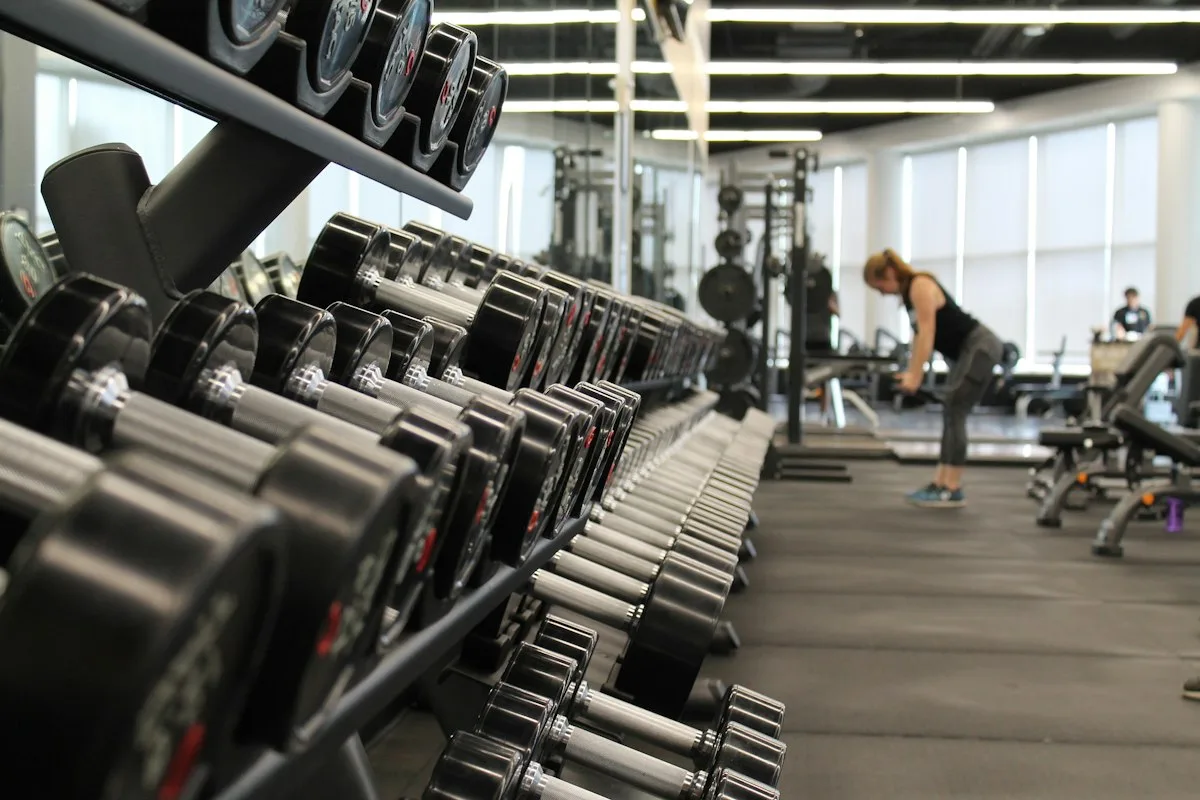
When newcomers walk into a commercial fitness facility, they are confronted with rows of chrome machines, cables, and confusing pulleys. It is easy to feel overwhelmed.
Fortunately, human movement can be organized into five fundamental movement patterns: the Squat, the Hinge, the Push, the Pull, and the Carry. Master these five foundational motor programs, and you will never need a complex machine circuit again.
1. The Squat (Knee-Dominant Pattern)
The squat mimics the essential human task of lowering your center of mass to sit down and standing back up. It heavily recruits the quadriceps, glutes, adductors, and core.
- Beginner Entry Point: Box Squat or Goblet Squat. Holding a light dumbbell vertically against your sternum acts as a natural counterbalance, keeping your torso upright.
- Form Check: Keep feet shoulder-width apart, toes flared slightly outward (15 to 30 degrees). Track your knees in line with your toes, and keep your heels firmly glued to the floor.
2. The Hinge (Hip-Dominant Pattern)
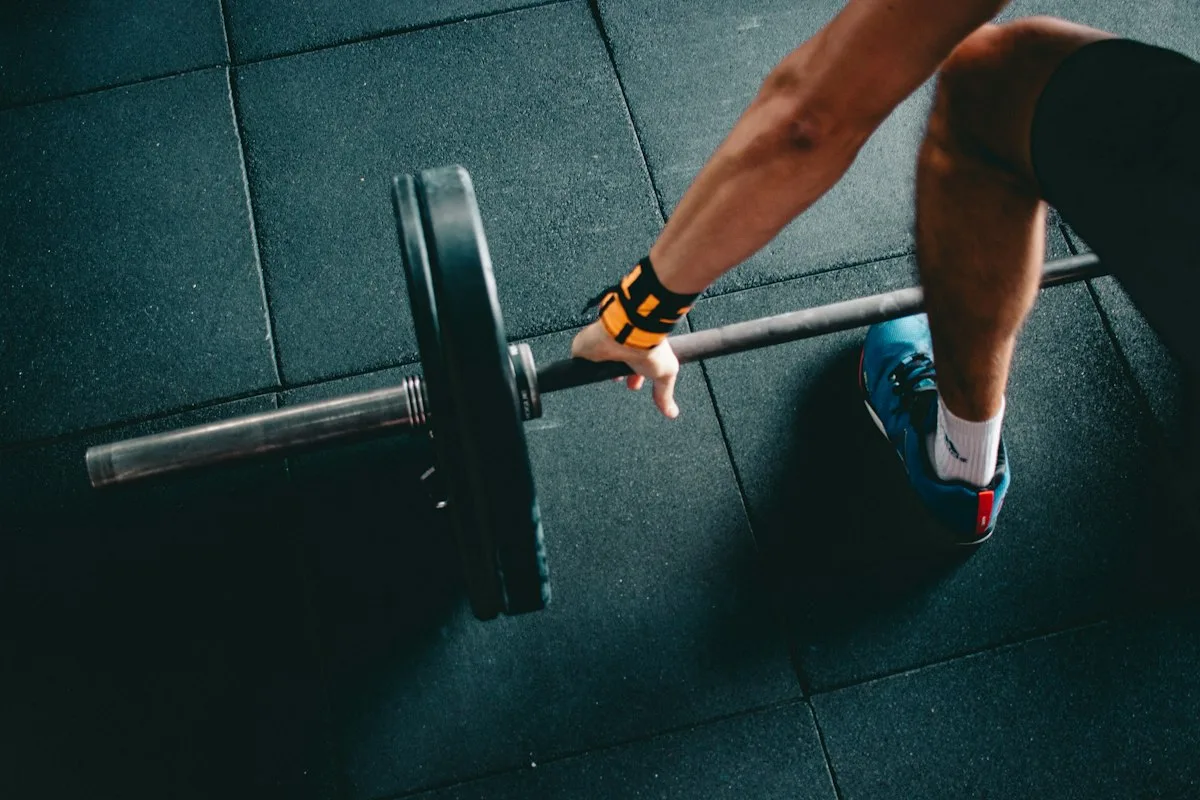
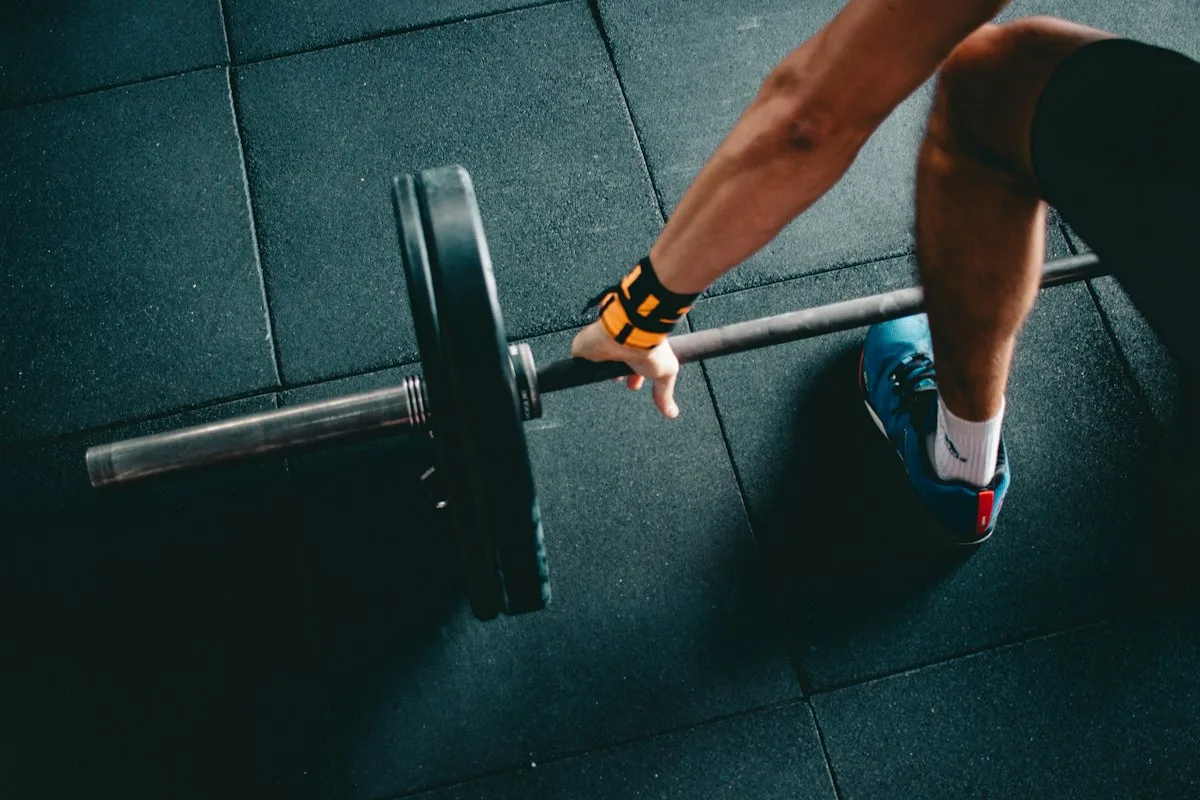
The hinge is the foundation of picking heavy objects up off the floor safely. Unlike the squat, where the knees bend deeply and the hips drop, a hinge features minimal knee bend and maximal backward displacement of the pelvis.
- Beginner Entry Point: Romanian Deadlift (RDL) with dumbbells or a broomstick against your spine.
- Form Check: Imagine trying to tap a wall behind you with your glutes while holding a glass of water on your flat back. You should feel a stretch in your hamstrings, not pressure in your lower back.
3. The Push (Horizontal & Vertical)
Pushing patterns train the pectoralis major, anterior deltoids, and triceps.
- Horizontal Push: Push-ups or dumbbell bench press. If full floor push-ups are too challenging, place your hands on an elevated surface like a bench or sturdy table rather than dropping to your knees.
- Vertical Push: Dumbbell overhead shoulder press. Ensure your core stays braced so your lower back does not hyperextend.
4. The Pull (Horizontal & Vertical)
Modern lifestyles keep our arms in front of us while typing and driving, leading to weakened upper back musculature. Pulling movements restore shoulder health and posture.
- Horizontal Pull: One-arm dumbbell row or seated cable row. Pull your elbow toward your hip pocket rather than your ear.
- Vertical Pull: Lat pulldowns or assisted pull-ups.
5. The Carry (Locomotion & Core Stability)
Carrying a heavy object while walking forces the deep stabilizer muscles of the spine, hips, and grip to work under dynamic conditions.
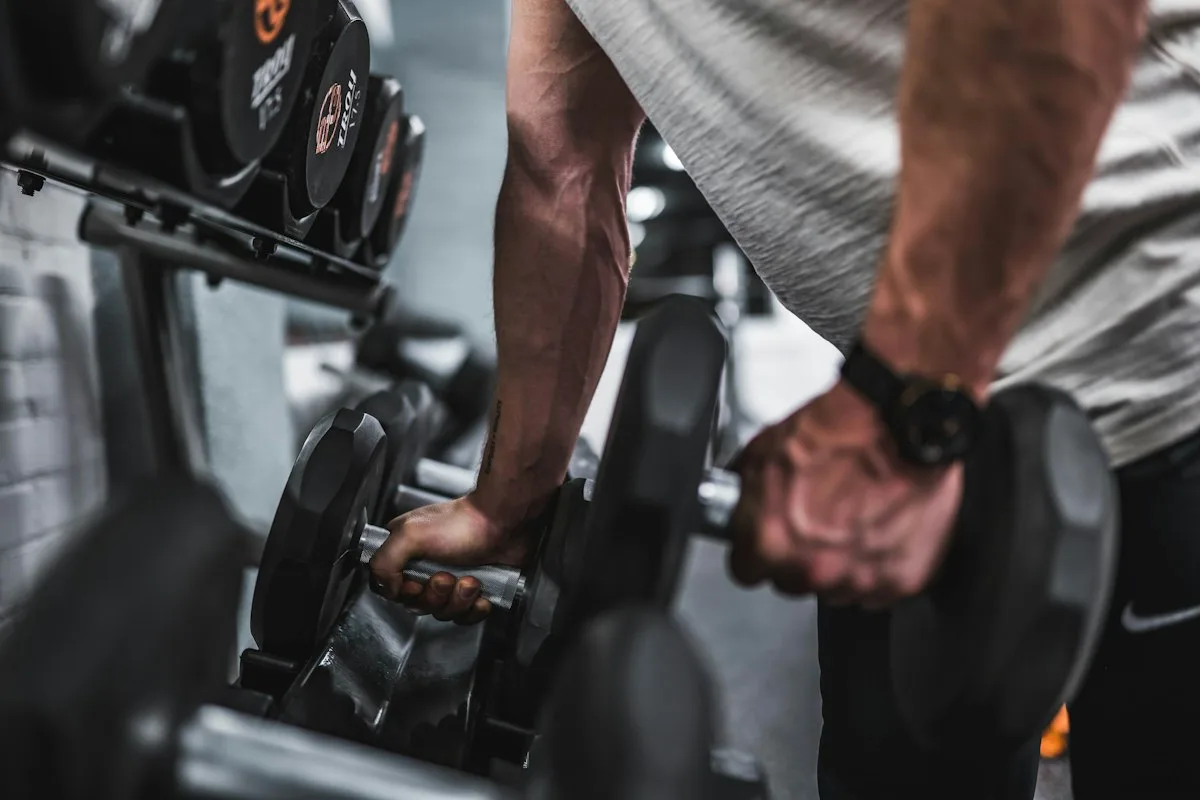
- Beginner Entry Point: Farmer’s Walk. Pick up two moderately heavy dumbbells and walk with tall posture for 30 to 45 seconds.
| Pattern | Beginner Exercise | Intermediate Step | Advanced Exercise |
|---|---|---|---|
| Squat | Bodyweight Box Squat | Goblet Squat (Dumbbell) | Barbell Back/Front Squat |
| Hinge | Glute Bridge / Dowel Hinge | Dumbbell Romanian Deadlift | Barbell Conventional Deadlift |
| Push | Incline Push-Up (Bench) | Floor Push-Up / Dumbbell Press | Barbell Bench / Overhead Press |
| Pull | Resistance Band Rows | One-Arm Dumbbell Row | Pull-Ups / Barbell Rows |
| Carry | Two-Arm Farmer's Carry | Suitcase Carry (Single-Arm) | Overhead Trap-Bar Carry |
The Bottom Line
Strength training does not require complicated gadgets. When you ground your weekly routine in the five fundamental human movement patterns, you build balanced, durable strength that translates directly into everyday vitality.
Sources
HealthScope uses government health agencies, medical institutions, and peer-reviewed research to support the facts in our articles. Read our sources policy.
- National Strength and Conditioning Association (NSCA). Essentials of Strength Training and Conditioning (4th ed.) (opens in a new tab). 2016.
- Sports Health Journal. Resistance Training for Health and Performance (opens in a new tab). 2012.