The Biology of Social Connection: How Relationships Shield Against Cognitive Decline
Explore the neuroendocrinology of human connection. How oxytocin, community bonds, and meaningful conversations extend lifespan and brain health.
Expert reviewed by Shivam Gupta, CSCS, CPT on Reviewed for accuracy by the professional named here. How we label reviews
In This Article
When people think about longevity and disease prevention, their minds immediately turn to diet, cardiovascular exercise, supplements, and routine blood tests. Yet a massive meta-analysis led by Dr. Julianne Holt-Lunstad at Brigham Young University analyzing 148 studies across 300,000 individuals revealed an astonishing statistical finding:
Chronic social isolation and loneliness increase the risk of premature death by 50%—a mortality impact equivalent to smoking 15 cigarettes a day, and greater than obesity or physical inactivity.
Furthermore, the legendary Harvard Study of Adult Development—the longest longitudinal study of human health ever conducted, tracking participants for over 85 years—arrived at a simple, unambiguous conclusion: the single greatest predictor of physical health, cognitive sharpness, and happiness at age 80 was not cholesterol levels, but the quality of a person’s close relationships.
The Neuroendocrinology of Connection
Human beings are obligate social primates. For thousands of generations, separation from the tribe was a literal death sentence. Because of this evolutionary heritage, our brains treat social isolation not as an intellectual inconvenience, but as an acute biological emergency:
- The Threat of Loneliness: When the brain perceives that it is socially isolated, it shifts into a hyper-vigilant survival state. The sympathetic nervous system ramps up, bone marrow accelerates the output of pro-inflammatory monocytes, and the immune system downregulates antiviral defenses.
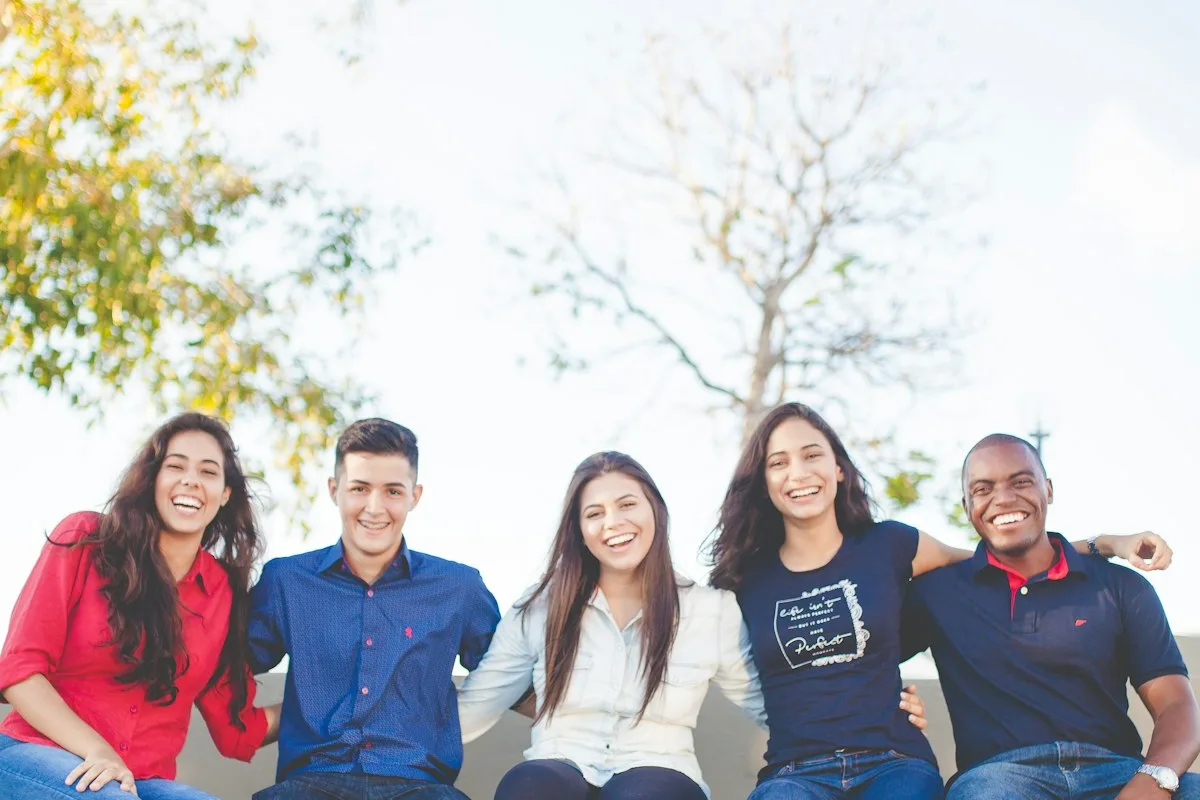
- The Protective Shield of Oxytocin: When we engage in warm eye contact, genuine laughter, physical touch (hugs), or deep conversation with trusted peers, the hypothalamus secretes oxytocin. Oxytocin binds directly to receptors in the amygdala, dampening fear responses, lowering arterial blood pressure, and reducing systemic inflammatory cytokines (IL-6 and TNF-alpha).
Social Health as Cognitive Insurance
Neuroimaging reveals that complex human conversation is one of the most demanding cognitive tasks our brains perform. Real-time social interaction requires working memory, emotional perspective-taking (Theory of Mind), linguistic decoding, and rapid executive processing.
Older adults who maintain active social networks show significantly preserved white-matter integrity and a 40% lower risk of developing dementia. Socializing literally builds cognitive reserve.
| Dimension | High Social Cohesion & Community | Chronic Loneliness / Isolation |
|---|---|---|
| Inflammatory Biomarkers | Lower C-reactive protein (CRP) and IL-6 | Chronic low-grade systemic inflammation |
| Cognitive Trajectory | Preserved executive function and hippocampal volume | Accelerated memory decline and elevated dementia risk |
| Cardiovascular Health | Lower resting heart rate and healthier blood pressure | Elevated arterial stiffness and 29% higher heart disease risk |
| Longevity Impact | Associated with a 50% greater likelihood of survival | Equivalent mortality risk to smoking 15 cigarettes daily |

3 Actionable Ways to Strengthen Your Social Muscle
In an era of superficial social media follower counts, deep relational intimacy often requires conscious cultivation:
- Schedule Recurring Touchpoints: Relying on spontaneous meetups rarely works in busy adult schedules. Create automated recurring rituals: a weekly standing Tuesday morning walk with a friend, a monthly dinner club, or a weekly Sunday phone call with family.
- Prioritize Face-to-Face Over Texting: Text messages provide linguistic information, but they lack the micro-facial expressions, vocal intonation, and reciprocal gaze that stimulate oxytocin and mirror neuron networks. Replace text chains with quick video calls, voice memos, or in-person coffee dates.
- Join Interest-Based Communities: Join a run club, community garden, choir, martial arts dojo, or book club. Shared physical activity or common goals create bonded friendships effortlessly through shared focus.
The Bottom Line
True fitness is more than miles logged on a treadmill or clean meals eaten. Nourishing deep, authentic, supportive relationships is a clinical imperative that protects your mind, shields your heart, and enriches every decade of life.
Sources
HealthScope uses government health agencies, medical institutions, and peer-reviewed research to support the facts in our articles. Read our sources policy.
- PLOS Medicine. Social Relationships and Mortality Risk: A Meta-analytic Review (opens in a new tab). 2010.
- Harvard University Press. The Harvard Study of Adult Development: 85 Years of Findings (opens in a new tab). 2023.