Shoe Mechanics: How Stack Height and Heel-to-Toe Drop Influence Joint Stress
Learn footwear biomechanics. How heel drop (zero vs. 10mm), maximalist foam cushioning, and rocker soles alter mechanical stress across ankles and knees.
Expert reviewed by Tanisha Panwar, MS, CISSN on Reviewed for accuracy by the professional named here. How we label reviews
In This Article
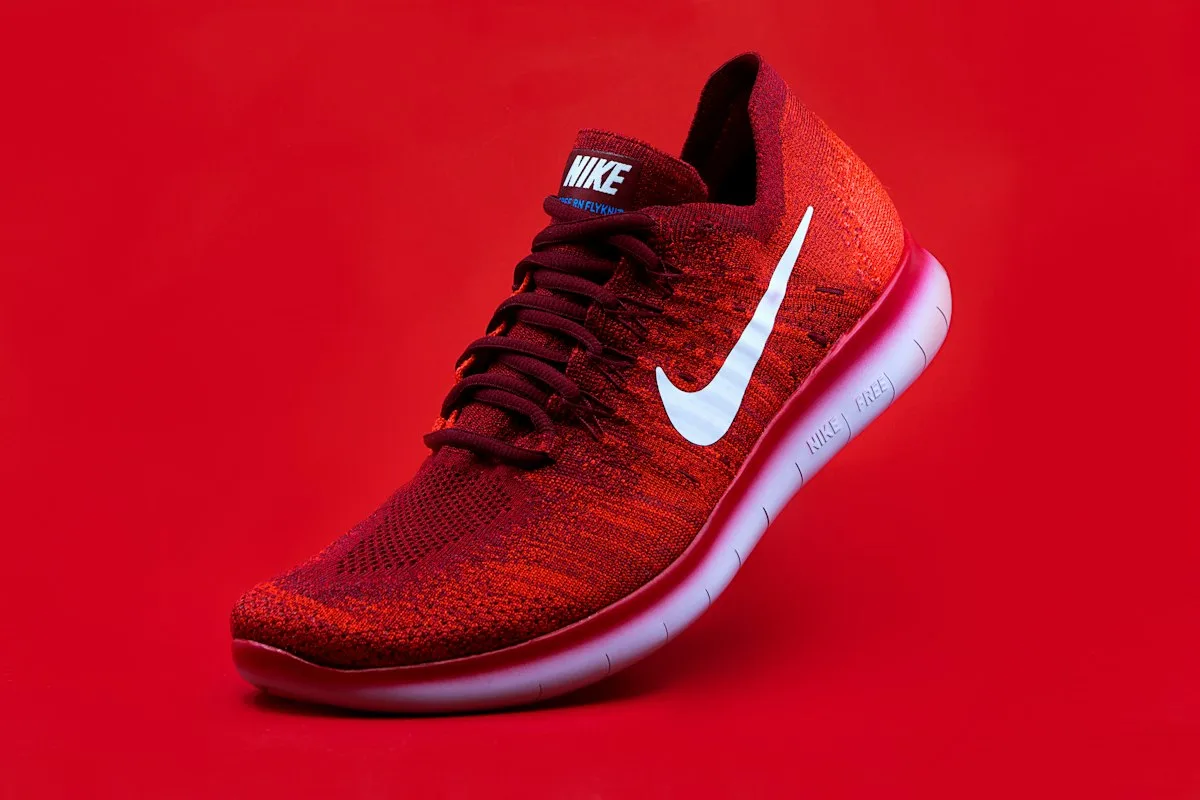
When runners and walkers shop for athletic shoes, they are confronted with a bewildering array of footwear jargon: “10mm drop,” “maximalist PEBA foam,” “carbon-plated rockers,” “zero-drop,” and “neutral stability.” Most people pick shoes based on colorway aesthetics or brand familiarity.
However, in footwear biomechanics, your shoes are the mechanical interface between ground reaction forces and your skeletal kinetic chain.
Altering the geometry of a shoe does not eliminate physical impact forces; it merely shifts where those forces are absorbed along your body (between your foot, Achilles tendon, knee, and hip).
Understanding two critical dimensions—Heel-to-Toe Drop and Stack Height—is essential to selecting the right shoe for your specific musculoskeletal profile.
1. Heel-to-Toe Drop (Where Does the Force Go?)
The heel-to-toe drop (or offset) is the difference in height between the heel of the shoe and the forefoot (measured in millimeters):
High Drop (8mm to 12mm)
- The heel sits significantly higher than the forefoot (found in traditional trainers like Asics Gel-Nimbus, Brooks Ghost).
- Biomechanical Shift: Encourages a rearfoot (heel) strike pattern. It unloads the Achilles tendon, calf complex, and plantar fascia, but increases mechanical load and shear stress on the patellofemoral knee joint and hip.
- Best For: Runners with a history of Achilles tendinopathy, tight calves, or plantar fasciitis.
Low Drop (4mm to 6mm) & Zero Drop (0mm)
- The heel and forefoot sit at essentially the same height off the ground (e.g., Altra, Hoka Mach, Topo Athletic).
- Biomechanical Shift: Encourages a midfoot or forefoot strike pattern directly underneath the body’s center of mass. It spares the knees and lower back, but places substantially higher eccentric demands on the Achilles tendon, soleus, and foot arches.
- Best For: Runners with chronic knee pain (runner’s knee) or lower back stiffness.
2. Stack Height: Maximalist vs. Minimalist
Stack height refers to the total amount of material (midsole foam + outsole rubber) between your bare foot and the road:
- Maximalist Shoes (Stack Height 35mm to 45mm+): Characterized by thick, pillowy midsoles (e.g., Hoka Bondi, Nike Invincible).
- Advantage: Dramatically dampens vertical shock loading during high-mileage road training, sparing bones from stress fractures.
- Downside: Thick foam dampens the proprioceptive mechanoreceptors on the bottom of the foot, reducing foot intrinsic muscle activation and subtly increasing ankle instability on uneven trails.
- Moderate Traditional Stack (25mm to 32mm): Balances protective cushioning with ground feel and foot control.
- Minimalist / Barefoot (0mm to 10mm): Forces the 33 joints and 26 bones of the human foot to act as the primary suspension system.
| Footwear Style | Heel Drop (mm) | Stack Height | Primary Joint Unloaded | Primary Tissue Stressed |
|---|---|---|---|---|
| Traditional High-Drop | 8mm to 12mm | Moderate (28–32mm) | Unloads Achilles & Calves | Transfers load to Knees and Hips |
| Low-Drop (Midfoot) | 4mm to 6mm | Moderate (25–30mm) | Balanced distribution | Moderate calf/foot recruitment |
| Zero-Drop (Natural) | 0mm | Varies (15–30mm) | Unloads Knees and Lower Back | High load on Achilles and Plantar Fascia |
| Maximalist Cushion | 4mm to 10mm | High (35mm to 45mm+) | Reduces bone shock impact | Mutes foot proprioception; ankle roll risk |
How to Match Shoes to Your Injury History
- If You Have Chronic Knee Pain (Patellofemoral Syndrome): Transition toward a low-drop shoe (4mm to 6mm) with moderate cushioning. Shortening your stride and shifting impact to the calf muscles relieves anterior knee compression.
- If You Have Chronic Achilles Tendonitis or Plantar Fasciitis: Choose a moderate-to-high drop shoe (8mm to 10mm). The elevated heel takes the Achilles off high tension, allowing irritated collagen fibers to heal.
The Bottom Line
There is no single “best shoe” for every human foot. By matching heel-to-toe drop and stack height to your personal biomechanics and injury history, you optimize joint loading and run comfortably for miles to come.
Sources
HealthScope uses government health agencies, medical institutions, and peer-reviewed research to support the facts in our articles. Read our sources policy.
- American Journal of Sports Medicine. Influence of Heel-to-Toe Drop on Running Biomechanics and Injury Risk (opens in a new tab). 2016.
- Scientific Reports (Nature). Maximalist Cushioning and Impact Forces in Distance Running (opens in a new tab). 2019.