Zero-Drop vs. Maximalist Cushioning: Finding the Right Balance for Your Feet
An objective footwear breakdown. How zero-drop natural shoes build foot intrinsic muscle strength vs. how maximalist foam protects joints on long runs.
Expert reviewed by Tanisha Panwar, MS, CISSN on Reviewed for accuracy by the professional named here. How we label reviews
In This Article
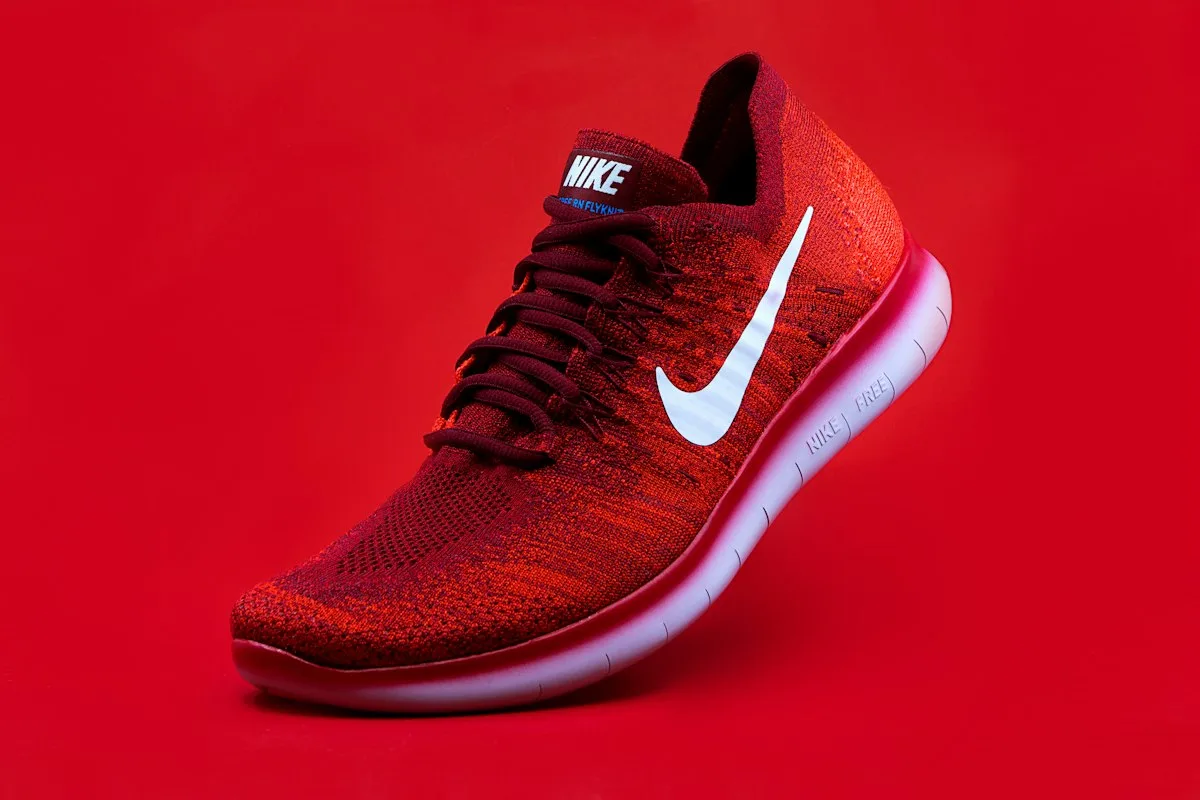
Few running gear debates elicit more emotional tribalism than the footwear philosophy war: Zero-Drop / Barefoot Minimalists versus Maximalist Cushioning Loyalists.
On one side, natural running purists argue that modern thick shoes are “foot coffins” that atrophy intrinsic foot muscles and cause knee destruction. On the other side, maximalist cushioning advocates point out that humans were never evolved to pound 20 miles a week on unforgiving, laser-flat asphalt and concrete roads.
Both perspectives contain profound biomechanical truths. Choosing between them is not about religious dogma; it is about matching shoe geometry to your anatomy, training surface, and structural goals.
The Zero-Drop Philosophy: Restoring Evolutionary Geometry
A Zero-Drop shoe features a completely level platform: your heel and forefoot sit at the exact same distance from the ground (0mm drop), accompanied by a foot-shaped, anatomical wide toe box that allows your toes to splay naturally:
Biomechanical Benefits:
- Spares the Knees & Lumbar Spine: Encourages landing with your foot beneath your center of mass on a midfoot strike, reducing the patellofemoral knee joint stress that causes “runner’s knee.”
- Strengthens Foot Intrinsic Muscles: Without artificial plastic arch supports propping up your foot, the 20 intrinsic muscles of your arch (like the abductor hallucis) must actively contract, building natural arch strength over time.
The Downside & Injury Risk:
- When you drop from a standard 10mm heel to 0mm, your Achilles tendon and calf muscles must stretch through a significantly longer range of motion under load. Transitioning too fast without adequate calf strength frequently causes acute Achilles tendinopathy, calf strains, or metatarsal stress fractures.
The Maximalist Cushion Philosophy: The Modern Shock Absorber
Popularized by brands like Hoka and now adopted by every major athletic shoe manufacturer, Maximalist shoes feature massive midsoles with stack heights exceeding 35mm to 40mm+ of supercritical EVA or PEBA foam:
Biomechanical Benefits:
- Dampens Impact Shock: Drastically lowers the vertical impact peak force transmitted up the tibia, protecting delicate skeletal bones and joints during long 15- to 20-mile road training blocks.
- Rocker Soles: Many maximalist shoes incorporate a curved “rocker geometry” that smoothly rolls the foot forward from heel to toe-off, reducing the flexural demand on arthritic big toe joints (hallux rigidus).
The Downside:
- Muted Proprioception: The thick foam acts like a mattress under your foot, dampening sensory nerve feedback and subtly increasing the risk of rolling an ankle on technical trails.
The Hybrid Solution: Shoe Rotation
The smartest runners do not pick one camp; they practice footwear rotation:
- Use a wide toe-box, low-to-zero drop shoe for short recovery runs, strength training in the gym, and daily walking to build resilient foot muscles and mobile Achilles tendons.
- Deploy a cushioned, protective maximalist shoe for high-volume weekend long runs on hard asphalt to spare bones and joints from excessive wear.
| Dimension | Zero-Drop Natural Footwear (Altra, Vivobarefoot) | Maximalist Cushioned Footwear (Hoka, Asics Max) |
|---|---|---|
| Heel-to-Toe Drop | 0 mm (completely flat) | 4 mm to 10 mm |
| Stack Height | Low to Moderate (10mm to 28mm) | High to Extreme (35mm to 45mm+) |
| Toe Box Design | Wide, foot-shaped (anatomical splay) | Often tapered (standard athletic taper) |
| Joint Load Distribution | High load on Achilles & calves; unloads knees | High load on knees & hips; unloads Achilles |
| Primary Training Role | Building foot strength, gym lifting, trail walking | High-mileage marathon prep, concrete road running |
The Bottom Line
Footwear is a tool for joint optimization. Listen to your body: if your knees throb after runs, test a lower-drop shoe; if your Achilles aches, favor moderate heel elevation. Use the right shoe for the right mission.
Sources
HealthScope uses government health agencies, medical institutions, and peer-reviewed research to support the facts in our articles. Read our sources policy.
- Footwear Science. The Effect of Footwear Drop on Lower Limb Kinematics and Kinetics During Running (opens in a new tab). 2016.
- Journal of Anatomy. Foot Muscle Atrophy in Modern Shod Populations: A Comparative Biomechanical Analysis (opens in a new tab). 2019.