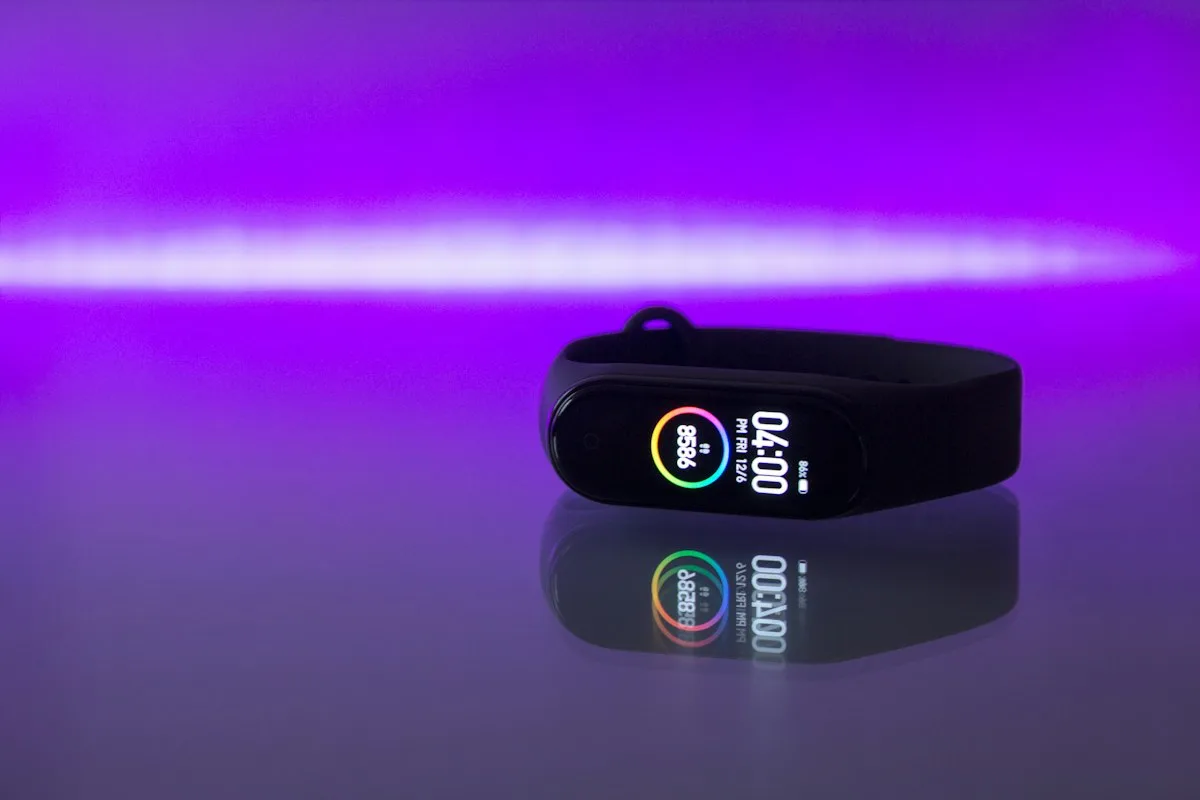
Smart Rings vs. Smartwatches: Accuracy and Comfort in Overnight Sleep Tracking
Compare smart rings vs. smartwatches for sleep tracking. Finger arteriolar photoplethysmography (PPG) vs. wrist sensors, battery life, and comfort.
Expert reviewed by Tanisha Panwar, MS, CISSN on Reviewed for accuracy by the professional named here. How we label reviews
In This Article

Over the past five years, consumer sleep tracking has undergone a technological revolution. Where users once had to strap a bulky smartwatch to their wrist before bed, sleek smart rings (like the Oura Ring, Ultrahuman Ring, and Samsung Galaxy Ring) have surged in popularity.
Consumers are faced with a practical dilemma: if you already own an Apple Watch or Garmin, is a dedicated smart ring worth the investment? Or does the finger form-factor offer genuine biological and ergonomic advantages?
Here is the engineering and physiological reality of smart rings versus smartwatches for overnight sleep and recovery tracking.
The Biomechanical Advantage of the Finger
To understand why smart rings excel at sleep tracking, you must look at basic human vascular anatomy:
- The Wrist Problem: The radial and ulnar arteries in your wrist sit buried underneath layers of skin, subcutaneous fat, tendons, and the carpal fascia. Measuring pulse waves through the wrist with an optical sensor (PPG) requires shining light through deep tissue, which produces a lower signal-to-noise ratio, especially if the watch shifts during sleep.
- The Finger Advantage: The fingers contain a dense network of digital arteries that run directly beneath thin epidermis with minimal fat. Pulse wave volume changes in the finger are sharper and more pronounced, allowing infrared optical sensors to detect subtle changes in Heart Rate Variability (rMSSD) and resting heart rate with clinical fidelity.
Ergonomics: The Nighttime Comfort Factor
The greatest sensor in the world is useless if you take it off because it is annoying to sleep with:
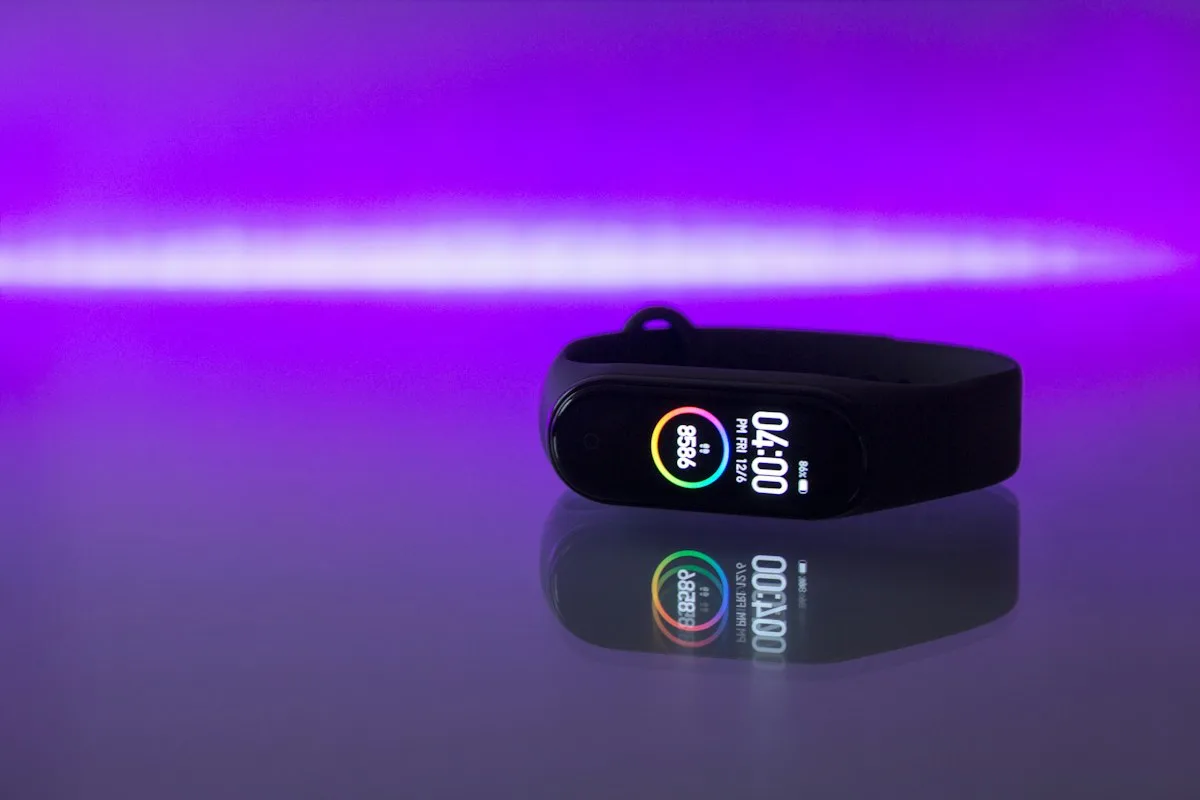
- Smartwatches: Many people find sleeping with a large 44mm or 47mm metal smartwatch uncomfortable. Watch straps trap sweat, and if you accidentally move your wrist, the bright AMOLED screen can flash awake in the dark, waking your brain. Furthermore, daily-charging watches (like standard Apple Watches) often need to sit on the nightstand charger overnight, causing missed sleep data.
- Smart Rings: Weighing just 4 to 6 grams, a smart ring has no screen, emits no visible light flashes into the bedroom, and feels like a standard piece of jewelry. Most rings boast 4 to 7 days of battery life, meaning you only charge them once or twice a week while showering.

Where Smartwatches Still Dominate
While smart rings are superior for overnight sleep tracking, they are terrible tools for daytime athletic exercise:
- Gym Lifting: You cannot comfortably grip heavy knurled barbells, dumbbells, or pull-up bars while wearing a metallic smart ring; the bar scratches the ring and pinches finger skin.
- Live Mid-Run Feedback: Rings have no screen. When running intervals, you cannot look down to check your live heart rate, pace, or GPS distance.
- A smartwatch remains the undisputed champion for active daytime workout pacing and athletic GPS navigation.
| Feature | Smart Rings (Oura, Ultrahuman) | Smartwatches (Apple Watch, Garmin) |
|---|---|---|
| Overnight Sleep Comfort | Exceptional (4–6 grams, no screen, discreet) | Moderate to poor (bulky, sweaty strap, screen flashes) |
| Resting HRV & RHR Accuracy | Very High (Clean finger arteriolar signal) | High (when fitted snugly on wrist) |
| Battery Life | 4 to 7 days continuous | 1 to 2 days (Apple) to 7–14 days (Garmin) |
| Active Workout Tracking | Poor (no live screen; scratches on barbells) | Exceptional (live pace, heart rate zones, GPS) |
| Skin Temperature Tracking | High precision (finger skin thermistors) | Available on newer models (wrist skin) |
The Bottom Line
If your primary goal is overnight sleep optimization, recovery tracking, and discreet all-day wellness without screen distractions, a smart ring is the superior sleep tool. If you need live workout metrics, GPS tracking, and notifications, a smartwatch remains king.
Sources
HealthScope uses government health agencies, medical institutions, and peer-reviewed research to support the facts in our articles. Read our sources policy.
- Nature and Science of Sleep. The Accuracy of Consumer Wearable Devices for Measuring Sleep: A Multi-Device Evaluation (opens in a new tab). 2021.
- IEEE Transactions on Biomedical Engineering. Photoplethysmography Signal Quality Comparison: Finger vs. Wrist Placement (opens in a new tab). 2020.