Demystifying Wearable Metrics: What HRV, VO2 Max, and SpO2 Actually Reveal
Learn how to interpret smartwatch metrics. The clinical reality of Heart Rate Variability (HRV), photoplethysmography accuracy, and VO2 max estimates.
Expert reviewed by Tanisha Panwar, MS, CISSN on Reviewed for accuracy by the professional named here. How we label reviews
In This Article

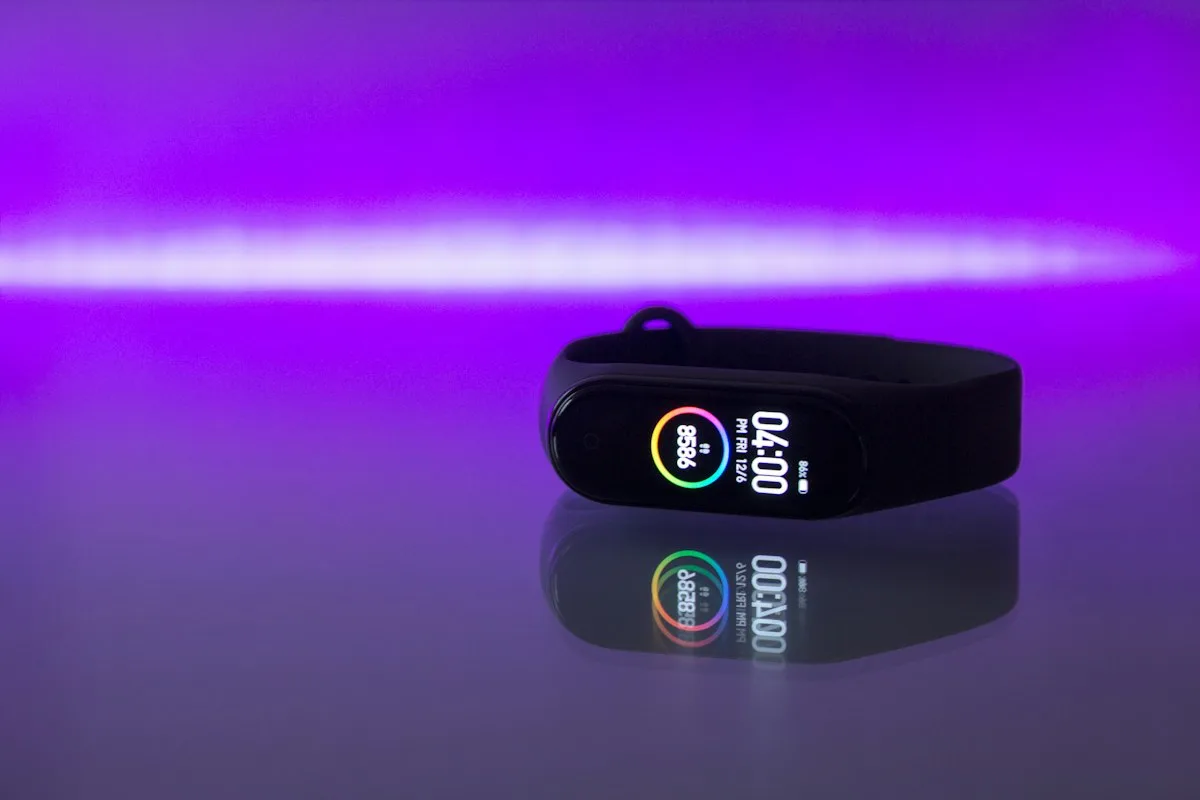
Millions of people wear smartwatches and biometric rings 24 hours a day. Every morning, these devices deliver a complex dashboard of numbers: HRV (Heart Rate Variability), Readiness Scores, VO2 Max, Skin Temperature, and Sleep Stages.
However, many users become paralyzed by “orthosomnia”—an unhealthy anxiety over optimizing device scores—or misinterpret normal physiological fluctuations as medical emergencies.
To use health wearables constructively, you must understand what optical sensors actually measure, their inherent technological limitations, and which metrics genuinely matter for longevity.
1. Heart Rate Variability (HRV): The Autonomic Mirror
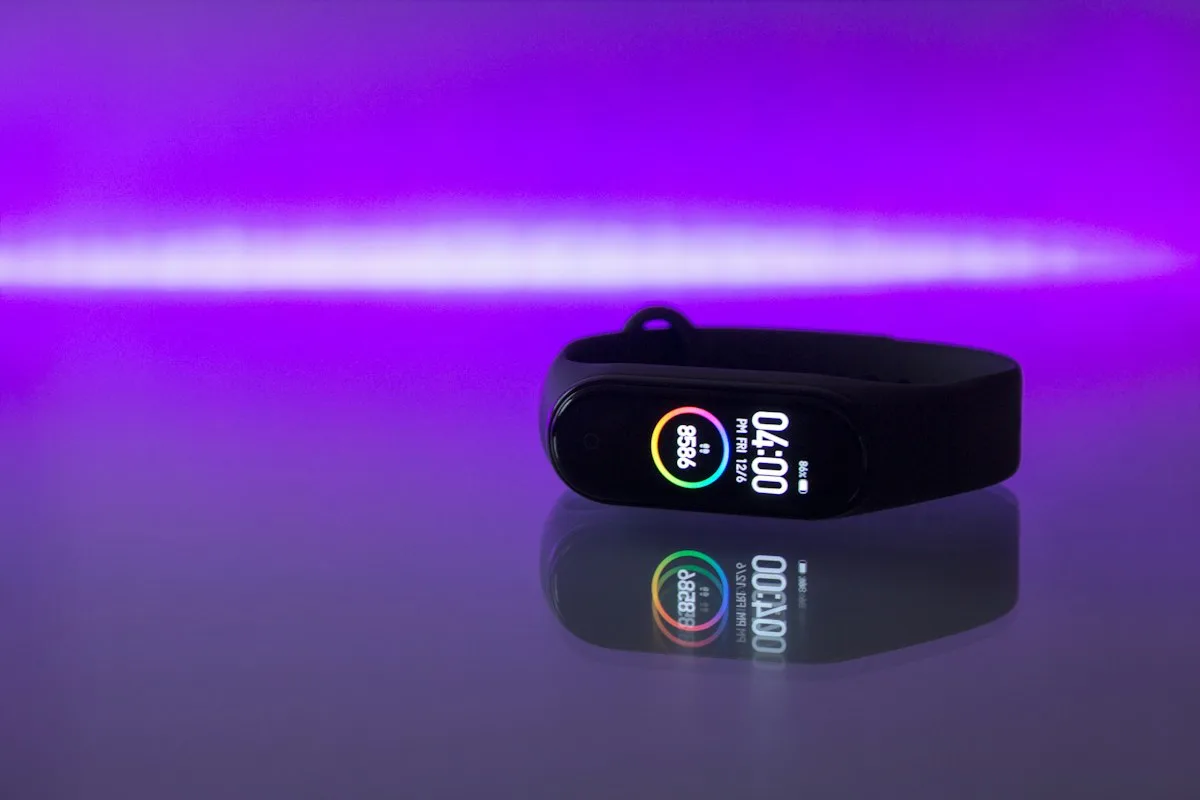
HRV is widely considered the crown jewel of recovery tracking. Contrary to popular belief, a healthy human heart does not beat at a perfectly rigid, robotic cadence (like a metronome at exactly 60 beats per minute).
Instead, the interval between consecutive heartbeats fluctuates naturally: one beat might be separated by 0.85 seconds, the next by 0.95 seconds, and the next by 0.80 seconds. This millisecond fluctuation is Heart Rate Variability:
- High HRV: Indicates healthy, balanced autonomic flexibility. The parasympathetic “brake” and sympathetic “gas pedal” are responsive, signaling that your cardiovascular system is recovered and ready to train.
- Low HRV (Relative to YOUR Baseline): Signals that your sympathetic nervous system is locked on—often caused by alcohol consumption, incipient viral infection, psychological stress, or severe muscular overreaching.
- Crucial Rule: Never compare your raw HRV number to someone else. A 25-year-old athlete might have an HRV of 110ms while an equally healthy 50-year-old has an HRV of 45ms. Only compare yourself against your own 14-day rolling baseline.
2. VO2 Max: Cardiorespiratory Longevity
VO2 Max represents the maximum volume of oxygen your body can utilize per kilogram of body mass per minute during maximal exercise (mL/kg/min).
- How Wearables Measure It: Unless you visit a metabolic laboratory with a rubber face mask analyzing breath gases on a treadmill, your smartwatch does not measure VO2 max directly. Instead, it uses algorithmic modeling: analyzing your speed, GPS elevation, and heart rate during outdoor walks or runs.
- Accuracy: While wearable VO2 max models have an absolute error margin of roughly 5% to 8%, their directional trend over months is highly reliable. If your smartwatch VO2 max moves from 38 to 44 over six months of Zone 2 training, your cardiorespiratory fitness has undeniably improved.
3. Peripheral Oxygen Saturation (SpO2)
Wrist-based pulse oximetry uses red and infrared light absorption to estimate the percentage of oxygen-saturated hemoglobin:
- Normal Range: 95% to 100%.
- Clinical Value: Wrist SpO2 is notoriously prone to motion artifacts during the day. Its primary value is overnight monitoring: frequent dips below 90% during sleep are a powerful clinical screening signal for Obstructive Sleep Apnea (OSA), warranting a formal in-lab sleep study.
| Metric | Measurement Method | Accuracy Level | Actionable Value |
|---|---|---|---|
| Resting Heart Rate (RHR) | Optical PPG (overnight average) | Extremely High (98%+ accuracy) | High; 5+ bpm jump signals illness or overtraining |
| Heart Rate Variability (HRV) | Optical PPG (rMSSD in milliseconds) | High during stationary sleep | Very High; excellent guide for recovery readiness |
| VO2 Max | Algorithmic regression modeling | Moderate (~5%–8% variance) | High for tracking 3-month aerobic progress trends |
| Sleep Stages (Deep/REM) | Accelerometer + PPG pulse data | Low-to-Moderate (65%–70% accuracy) | Low; do not stress over exact stage minutes |
| Calorie Burn Estimates | Heart rate + motion algorithms | Extremely Poor (25%–50% error margin) | Very Low; never use wearable calorie burn to justify eating |
The Bottom Line
Wearables are diagnostic mirrors, not tyrannical taskmasters. Use them to track long-term trends in resting heart rate, baseline HRV, and sleep consistency—and always listen to your physical body first.
Sources
HealthScope uses government health agencies, medical institutions, and peer-reviewed research to support the facts in our articles. Read our sources policy.